Words by Emma Dixon-Cahn et William Wachter
BEYOND THE SUMMIT: A 5,000 m expedition to Aconcagua
Encircled by towering peaks and relentless winds, we move forward with deliberate, steady steps. Our gaze remains fixed on the tops of our shoes, too drained to even glance at the breathtaking views around us. Émile still has a headache. He's having the hardest time. Alexe and I are afraid he's going to have an edema, but Gaby is monitoring him. She’s asking him questions to make sure he's not disoriented or incoherent.
It’s January 2024. I’m in the Mendoza province of Argentina. And I’m experiencing the expedition of a lifetime on the highest mountain in America.
—
I’m here to meet Emma Deguara, trail-runner and athlete with The North Face. Her passion has taken her to the trails at the UTHC, Mont Blanc, and now Aconcagua. Her goal is to complete what’s called a “single push” i.e., head up the mountain from Base Camp to summit in one go, without sleeping at an altitude camp. Normally, the ascent to the summit takes an average of 5 days, with breaks at intermediate camps. Our team consists of Gaby, our local guide with plenty of energy to share, Alexandra from The North Face, Émile on video, and me on photography.
CONFLUENCIA
With our packs and gear snug in the van, we set off to the entrance of the Aconcagua Provincial Park. The first leg of the plan is to hike the 8 km waypoint at Confluencia (3,300 m) and take a couple days to settle in and continue the acclimation process. From there, it’s off to Base Camp, 32 km away, to meet the tallest mountain in the Andes.
We begin our walk through an arid valley. We’re fairly alone on the trail, only passing a few hikers here and there. The dust quickly coats the outsoles of my boots and my lips are chapped from the crisp, dry air of the tundra. To avoid a sunburn from the constant sun, I’ve opted for polarized sunglasses, a neck gaiter, lots of layers, and a trusty cap. Small flowers occasionally emerge along the trail, bravely pushing through the rugged terrain.
So far, I'm feeling great: spirits are high, there’s no major discomfort, and the walking rhythm is steady as the team arrives at Confluencia. I’m excited to finally see Aconcagua tomorrow, but I’m a little apprehensive of the elevation ahead.
PLAZA FRANCIA
The next morning, we all hike to Plaza Francia, a viewpoint on the southern face of the mountain.
After lunching at the foot of “El Coloso”, a nickname from the locals, we run into a group returning from Base Camp. Emma recognizes a woman she met the week before. The woman tells us she attempted the summit but had to turn back because she was starting to lose her eyesight, which is a sign of hypoxia (lack of oxygen) or cerebral edema. She explains that she absolutely wanted to continue, but her guide held her back. As she tells us this story, her vision is still cloudy in one eye.
That’s when it really hit me how dangerous the climb could be.
PLAZA DE MULAS
We stop by the medical tent to check blood pressure, oxygen levels, and heart rate before heading to 4,200 m. Hydration is crucial—5L daily helps prevent altitude sickness, which can cause fatigue, headaches, nausea, and shortness of breath above 2,500 m. With winds up to 100 km/h and temperatures from 20°C to -15°C, the conditions demand careful preparation. Preventative medication is highly recommended for severe symptoms.
Even though Emma kickstarted the acclimation process a week prior, her body had trouble adapting to the higher altitudes. Being back at Base Camp where it all began brings back some memories of the week before. But she still wants to attempt her single push, now with a better understanding of the conditions.
9 hours and 22 km later, we finally arrive at Plaza de Mulas, Aconcagua’s Base Camp. I feel like I’ve just landed on the moon—the terrain is rocky, a simple walk to the bathroom winds me as if I've sprinted, and we’re surrounded by colourful little domes from people all around the world.
As we settle in, a big deep voice says “Hola!” We meet Pana, who is Grajales’— one of the many expedition companies at Base Camp—head porter and who will also be Emma's pacer for her ascent. He and Emma already have a great bond, forged during her first acclimatization. As we all take a moment to map out the next few days, Pana shares some unsettling news: someone has passed away on the trail, just a few days prior. Pana assures us that the individual was neither properly trained nor accompanied by a guide.
This news shakes us, especially Emma. She’s weary about having to see the worst case scenario. We know the dangers of the trade, but you never know what to expect when you’re out here. Ultimately, we choose to focus on the positives: we’re exceptionally well-equipped, guided by an expert who knows the area inside out, and is attuned to the mountain’s cues.
Of course, being well-equipped extends beyond the climb—it’s also about getting through the night. Sleeping at 4,200 m? As comfortable as you might imagine. Here’s how it typically unfolds: You wake up every 15 minutes to switch sides, trying to stay steady on two inflatable mattresses as the wind rattles the tent. It’s -15°C, but your -30°C sleeping bag keeps you toasty—until you really need to pee after drinking 5L of water today. Going outside isn’t an option, so you contort yourself to use a bottle in a cramped, 4-ft-high tent with a snoring neighbour beside you. Add in altitude headaches, and it’s a truly one-of-a-kind experience!
TRAINING IN THE ANDES
To complete our acclimation, we gradually ascend to Camp 1 (Plaza Canada) at 5,050 m and Camp 2 (Nido de Condores) at 5,500 m. Emma and Pana will meet us at Nido from Base Camp—her final training push before the summit.
After two sleepless nights, 1,500 m climbed, and countless litres of water consumed, we finally reach Nido. Emma and Pana are steadily ascending from Base Camp, equipped with a GoPro and a radio to keep us informed. The altitude is taking its toll and we’re truly feeling our limits. Creating content in these conditions is an incredible challenge; every decision—what to capture, how to frame it, how to manage the equipment—requires constant effort.
Later, we receive a radio message from Pana alerting us that they’re about to reach us at Camp 2. Émile and I set up our cameras, but upon arrival, Emma’s not doing so well. She’s experiencing body chills and is feeling very frail. We rush her to the dome and quickly bundle her up in blankets and jackets, while taking her vitals and feeding her. Her VO2 levels are low; she needs to recuperate from the effort. Today’s training will have to stop here and we’ll need to return to Plaza de Mulas.
THE LAST ASCENT
Taking a day to rest, Emma contemplates the enormity of the challenge ahead. We sense her uncertainty, but she refuses to back down. For the first time, doubt lingers—not just for her, but for all of us.
A new objective is set: On January 8, Emma is going to go as far as she can from Base Camp. No single push. It’s a let down, but it’s the natural decision for things to proceed safely. We leave the day prior to capture her ascent from Camp 2, while Émile stays behind to follow Emma and Pana with the drone.
3:00 am, Emma leaves Base Camp to attempt her one push. 4:30 am she stops at Camp 1 to rest. 6:00 am, Pana calls us on the radio to inform us that they’re heading to Camp 2. A couple minutes later they call back. Emma can’t go any further. They’ll be heading back to Base Camp.
AN OPEN LANDSCAPE
When we arrive at camp, we find Emma sitting in a dome. She’s disappointed, tired, but also relieved. It’s an emotional moment. Her body hasn’t allowed her to achieve her goal, but she’s listened to herself and it was the right thing to do.
Aconcagua didn’t give way this time, but Emma’s journey isn’t over—it never is. Mountains don’t measure success only in summit attempts, but also in the lessons they carve into those who dare to climb there. The thin air, the burning lungs, the pain, the exhaustion—these are not signs of failure, but of a body pushed to its limits. And of a mind that knows when to listen.
As we descend, the peak stands unchanged, unmoved, almost indifferent to our efforts. But Emma is not the same. Despite the letdown, she leaves with something far greater than a summit; the quiet understanding that sometimes, turning back is the hardest and bravest choice.
Watching Emma push forward with relentless passion and determination inspires my own trail projects. She’ll be back, and so will we.
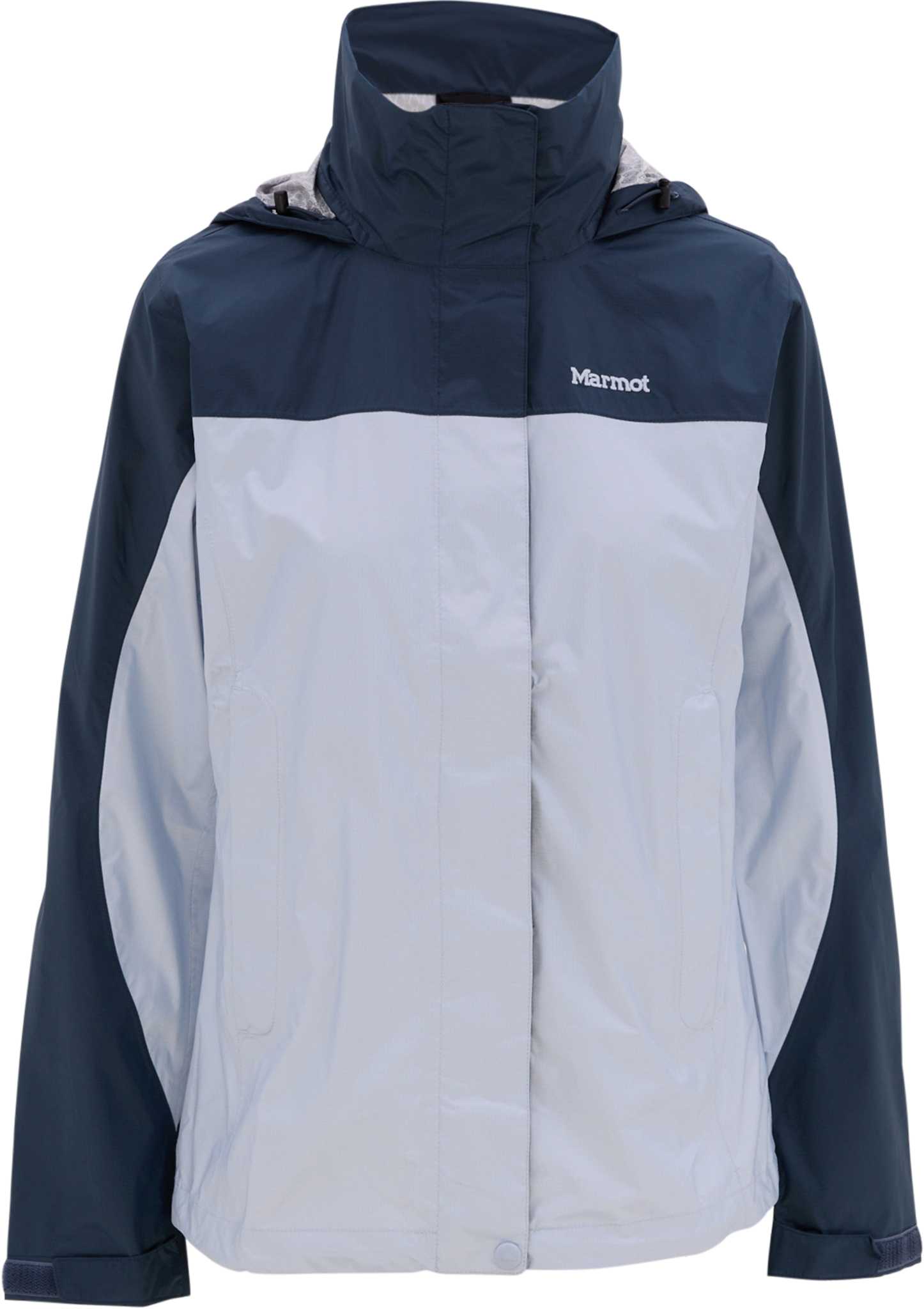
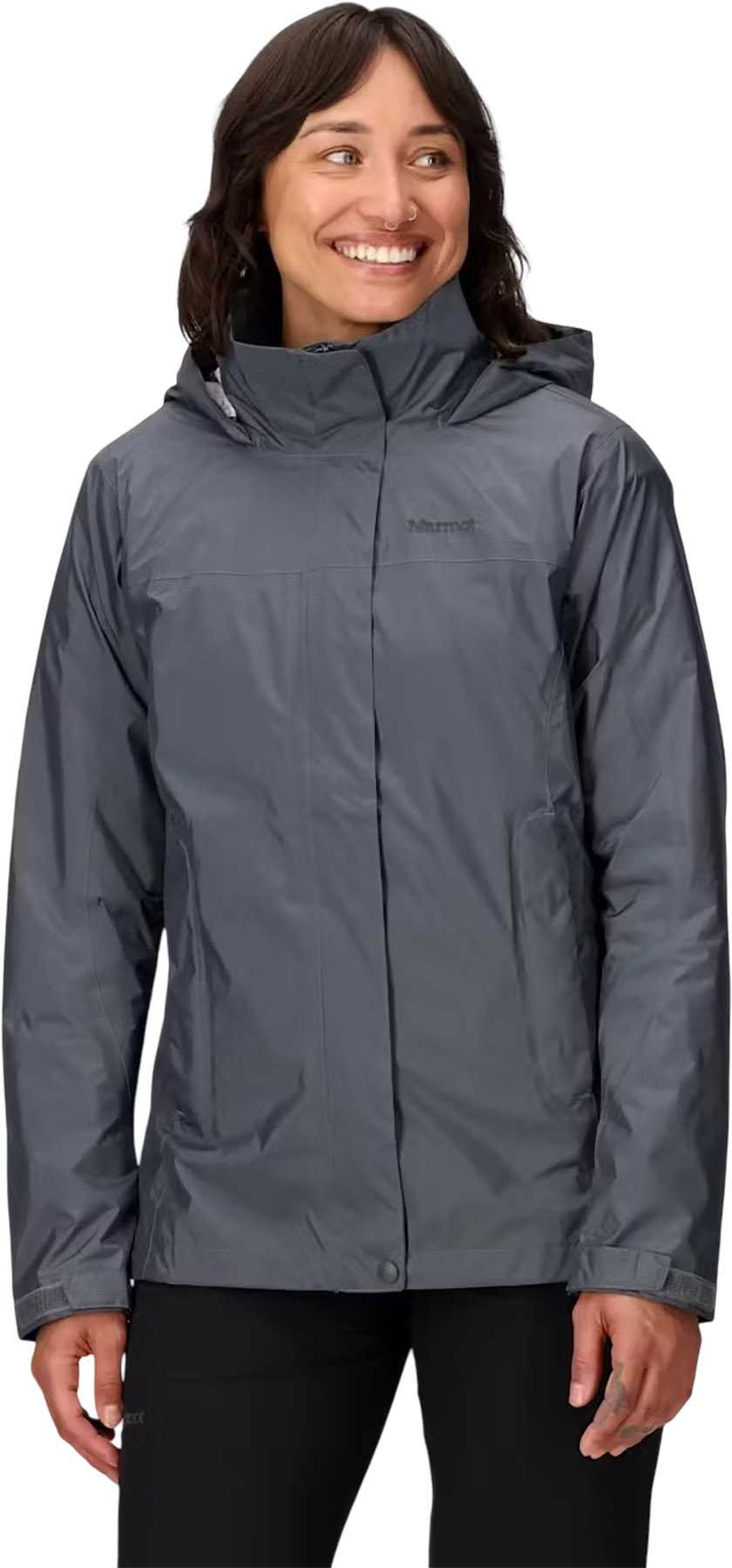
Shop Emma's essentials
Shop the collection