A Cooler Way To Colour
Discover the process behind Café du Cycliste's Cold Dye garments.

Photos by Café du Cycliste
The impact of synthetic dyeing on our environment is a widely recognized issue. This type of dyeing requires an exorbitant amount of energy and water throughout its treatment process. The dyes used are often carcinogens that pollute our fresh waterways and have harmful effects on our bodies. Even worse, studies have shown that textile manufacturing has a serious lack of transparency when it comes to disclosing exactly which chemicals are being used to dye the clothing we often find hanging in our wardrobes. In truth, the fast fashion industry is ranked highly among the top polluting industries globally.
But change is happening. In the outdoor industry, we’ve already seen massive shifts away from perfluorinated chemicals in weatherproofing, and for brands like Café du Cycliste, they’ve already taken things further. In October 2025, they launched their inaugural collection of garments dyed using a process known as cold dyeing.
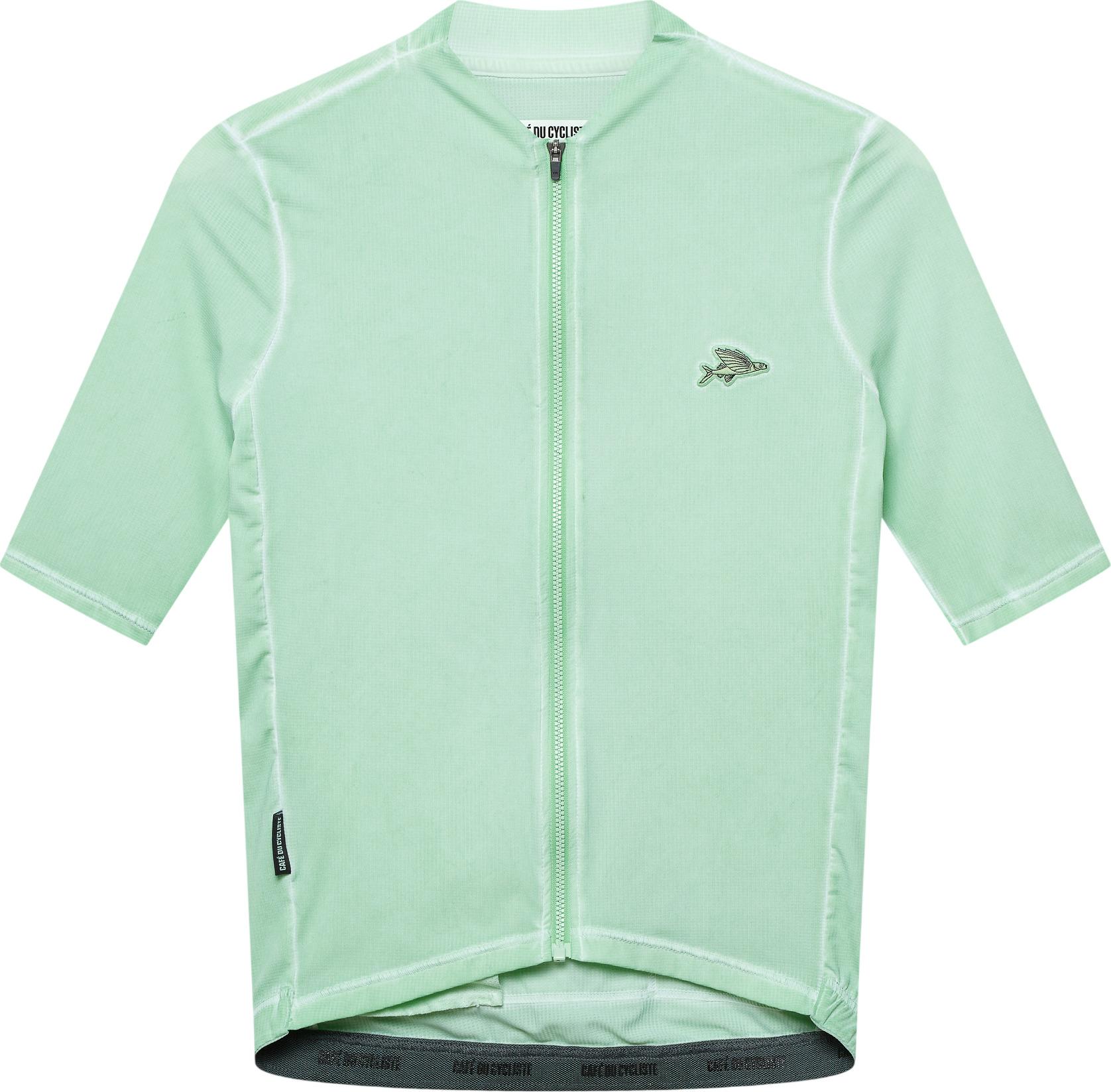
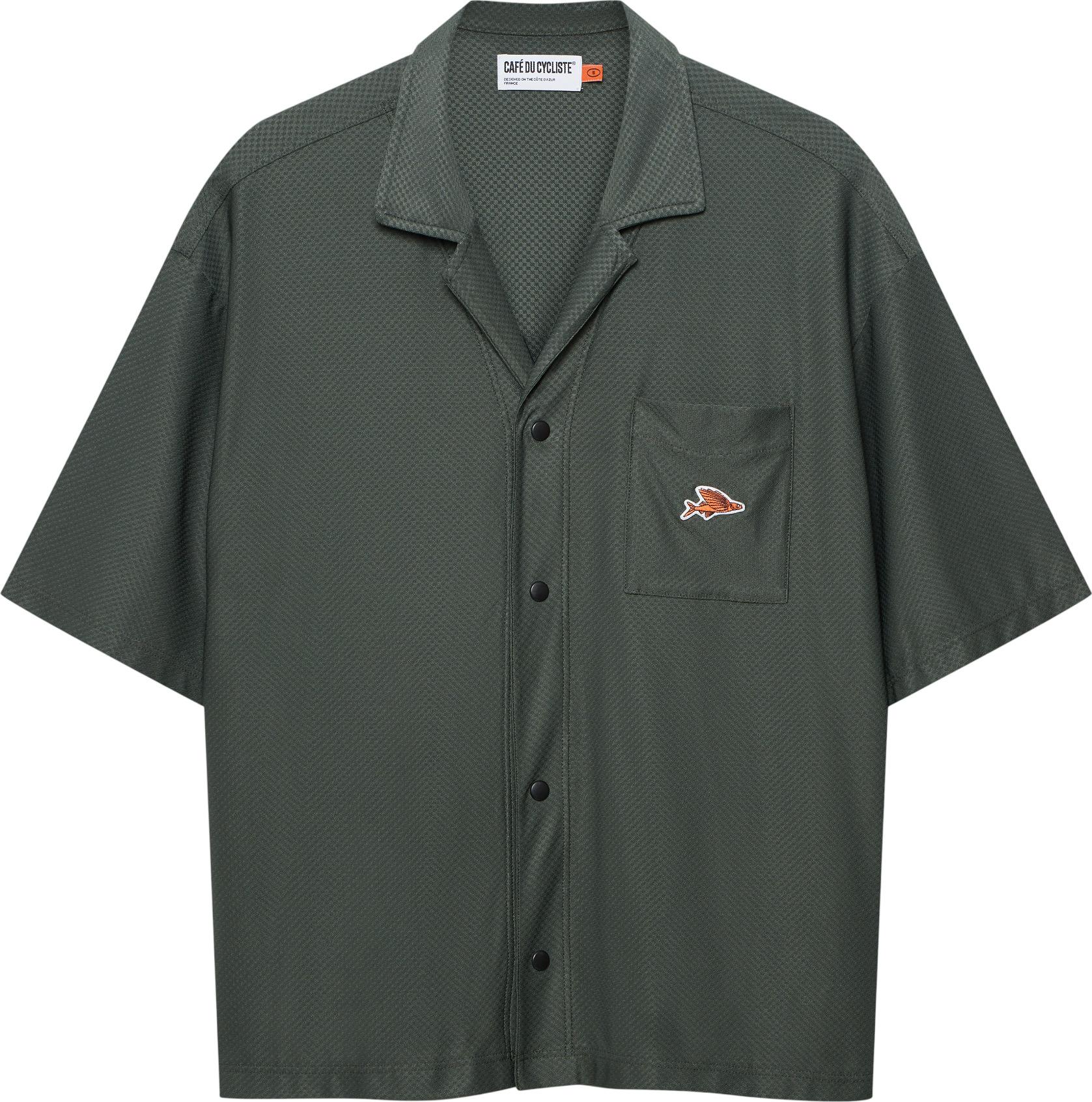
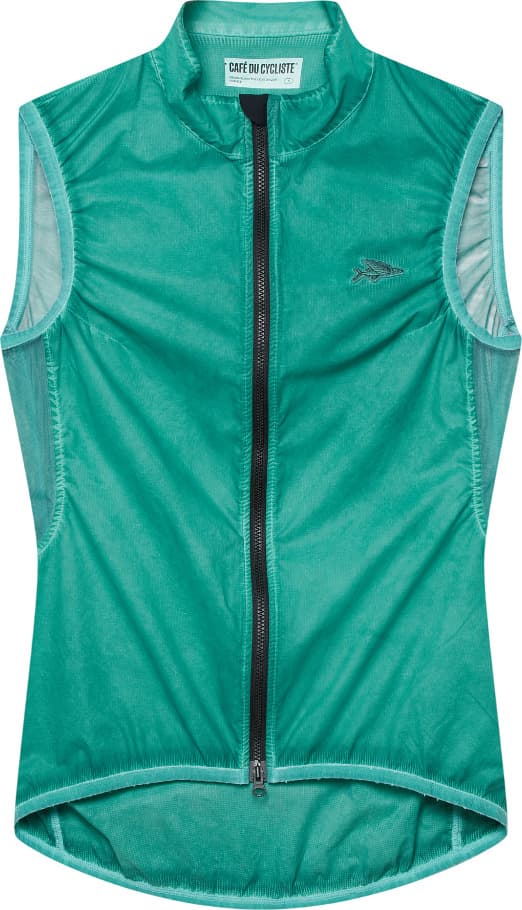
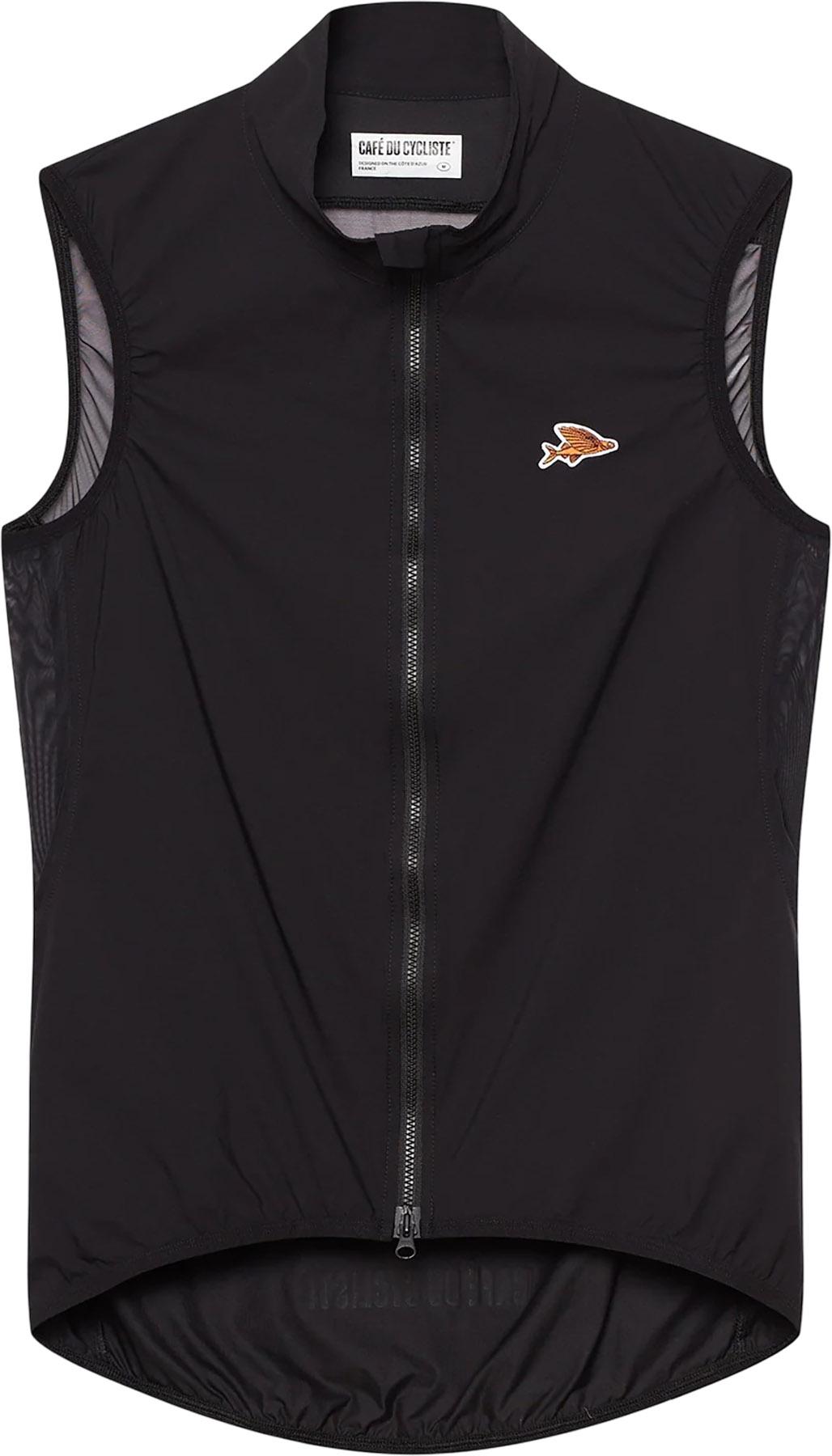
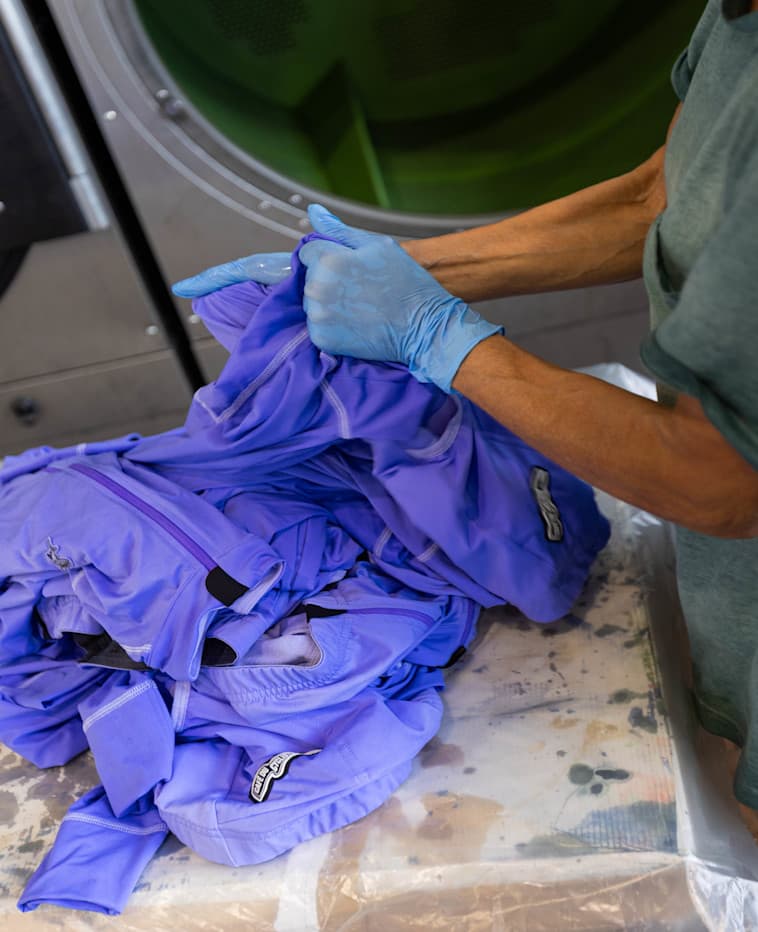

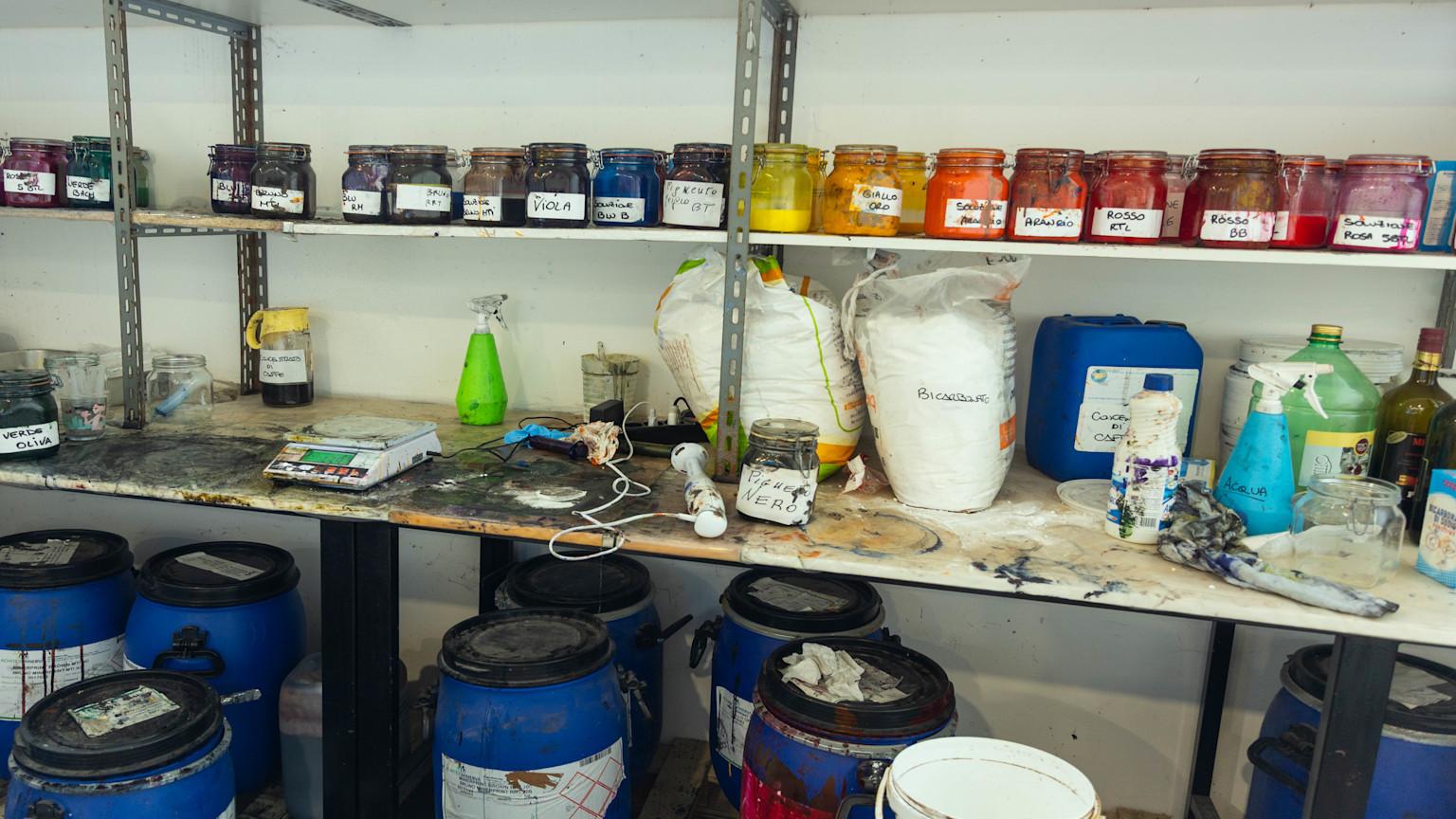
In essence, it’s a return to traditional means of pigmenting clothes. As you might expect, it’s a process relying not on boiling water, but rather on low temperatures and smaller batches. This already reduces energy use, but the real attention-grabber is its source of hues: produce. Dyes are created not from synthetic chemicals, but from what grows around us. As Café du Cycliste describes it, their dyeing labs look more like a farmer’s market than a factory floor: coffee beans, carrots, algae, banana peels, and berries—compostables- are what dyed this first collection from Café du Cycliste. The process is so clean, in fact, that “the wastewater is clean enough to drink,” though probably not very palatable.
"The brand's dyeing labs look more like a farmer’s market than a factory floor; coffee beans, carrots, algae, banana peels, berries."
Something else that sets cold dyeing apart from fast fashion synthetic dyeing is its authenticity. When you look at any given rack or shelf, products are identical, cookie-cutter styles. When you dye products with natural and organic ingredients, a process which is also far more hands-on, every single garment looks different. One pair of clothing dyed using algae might have the same green; some might look more faded. Effectively, each pair comes out unique and authentic, looking as though it’s been lived in. This makes it unique to the wearer. It’s less of a trend and more of a statement, and in that regard, we’re far more likely to care for it than seek a quick replacement.
Recent Articles