7 Best Winter Running Jackets
Don't let winter stop you from running! Stay fit & active with the best winter running jackets of the season.

Dressing for winter running is a delicate art: you need the right layers, and not necessarily your warmest winter jacket. But don't worry, we'll break it all down for you. For some, the falling snow and blistering winds mean it’s time to hang up their running shoes for the season; to switch gears, literally, to skis, snowboards, snowshoes and whatever else they might enjoy doing on snow and ice. But for those others who like to stick to their favourite activities all year round, we’ve got you covered. Whether it’s swapping your road bike for a fat bike, or running straight through winter, we’ve got the apparel to get you through the cold. Here’s our list of the best winter running jackets for the season.
How to Dress for Winter Running
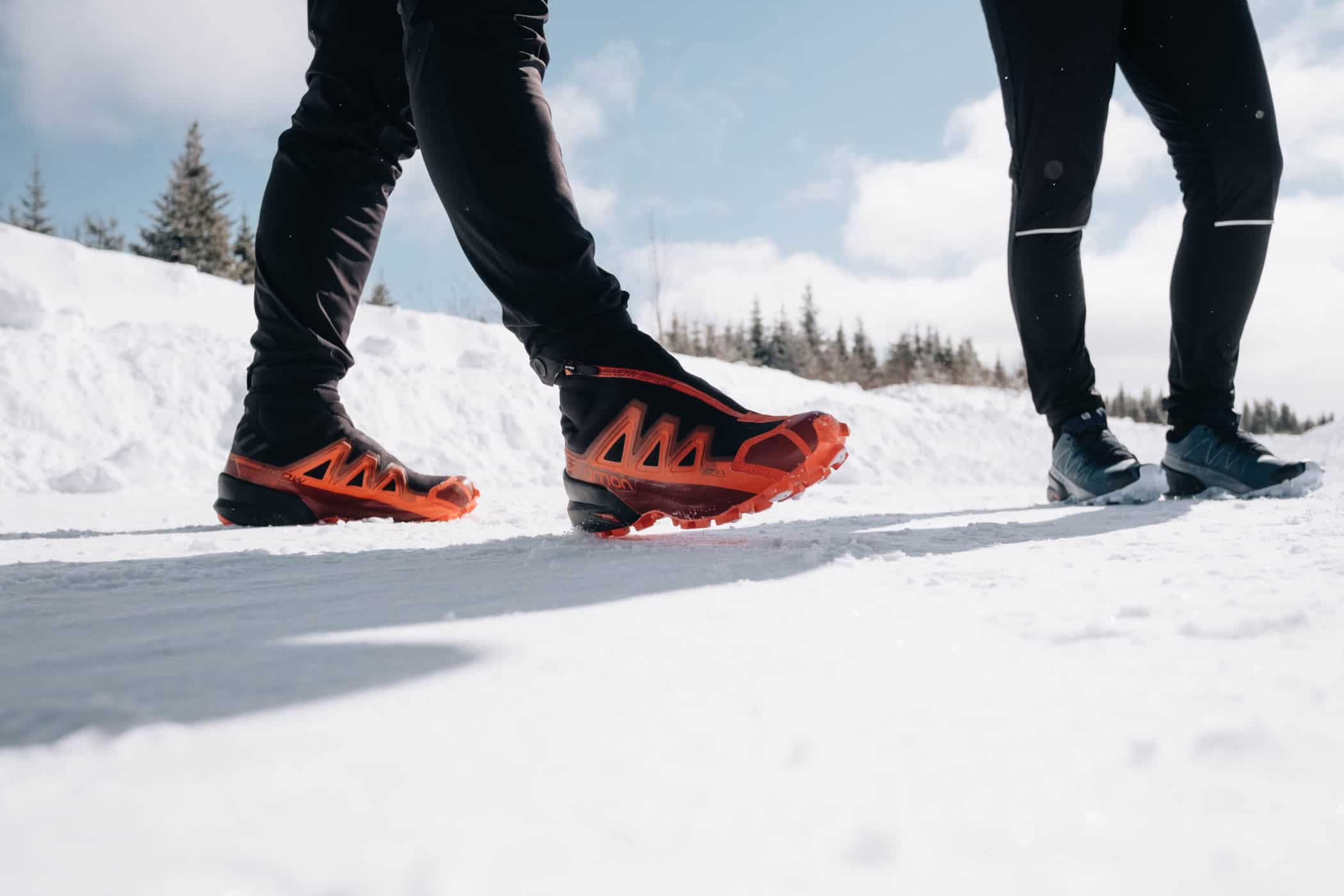
Winter running is less about style and more about surviving the cold. The best approach is to go for layers, so you can dress up or down depending on the elements. Pair your winter running jacket with a good pair of running tights and a comfortable pair of winter running shoes for ultimate performance in the coldest, wettest conditions.
Best Winter Running Jacket for Men
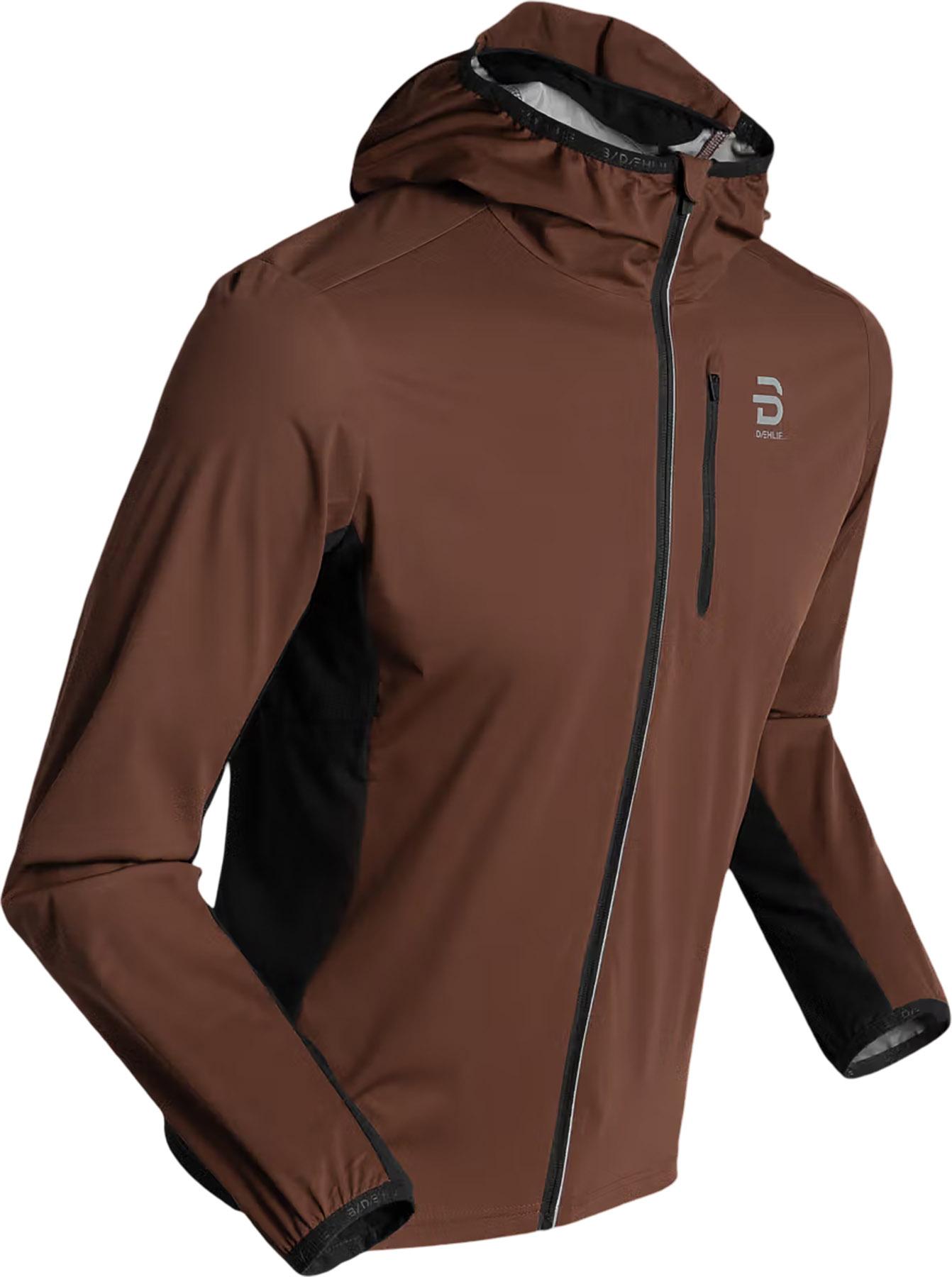
The DÆHLIE Winter Run Protect Jacket is our top winter running jacket for men. It's a 3-layer softshell with a TPU membrane rated to 10,000 mm, so wind, wet snow and light rain stay outside while stretch panels and mesh on the back let heat escape during intervals. A hood and a chest pocket for your keys cover the rest. Pair it with a merino base layer on colder mornings.
Best Winter Running Jacket for Women

Fall and winter running enthusiasts will love this ultra-lightweight model from Rab. The Kinetic 2.0 Jacket offers top-of-the-line protection along with exceptional freedom of movement. Stretchy, warm, windproof, and designed with breathable water resistance to protect against light rain and snow, it's an all-purpose jacket that will go anywhere with you. A simple merino t-shirt (or a long-sleeved one for colder days) will work well underneath this model. Made from a recycled polyester knit face 3L with PU membrane, it's truly an excellent choice for temperatures as low as 5°C.
Best Waterproof Winter Running Jacket
If you count yourself among those who run even when it's raining and the temperatures hover around zero, a waterproof running jacket like the Patagonia Houdini Jacket is a stellar choice.
Designed for moderate-intensity activities, the Houdini Jacket is light as a feather and weather-resistant. The 100% ripstop nylon stands up to abrasions and is finished with a DWR coating. Meanwhile, reflective logos ensure you remain visible in bad weather.
While the Houdini doesn’t offer any insulation, it is a highly versatile layering piece. In colder temps, the Houdini serves as an effective outer shell over warmer midlayers. Consider sizing up to accommodate other layers.
Best Breathable Winter Running Shell

Warmth is not the only feature to look for in a winter running jacket—breathability is just as important. If you sweat and your jacket isn't able to wick moisture and excess heat away, your clothes will get wet, and you'll end up much colder.
For a warm layer that still breathes, look at the Rab Cirrus Flex Insulated Hooded Jacket. PrimaLoft Silver RISE synthetic insulation covers your core, and Thermic stretch fleece panels along the sides and under the arms vent heat and move with your stride. Wear it as your outer layer on dry, cold days, or under a shell when the wind picks up.
Best Cold Weather Running Jacket


When the temperature drops and you really want to go for a run, you'll need a warmer-than-average jacket that offers good wind protection, as well as breathability. Craft's SubZ 4 Jacket puts a windproof, lightly insulated 3-layer panel across the front, where the cold hits first. The back and sleeves switch to a soft jersey with a mesh lining, and perforated panels at the neck and upper back release heat on the climbs. Two zippered side pockets and reflective prints on the front, back and sleeves round it out.
Best Stretch Rain Shell for Winter Running


A rain shell with some stretch moves better on a run than a stiff hardshell. Black Diamond's Fineline Stretch Rainshell pairs a two-way stretch nylon face with a BD.dry 2.5-layer membrane for exceptional waterproofing, and weighs 270 g. Underarm vents dump heat on hill repeats, and the whole jacket packs into its own hand pocket when the sky clears.
Best Lightweight Winter Running Jacket


You've certainly heard of the expression light as a feather, and if you’re looking for a prime example, look no further than the Salomon Bonatti Waterproof Jacket. This ultralight jacket protects in all weather conditions without the bulk.
Built with AdvancedSkin, the Bonatti provides robust protection against rain, snow, and wind, all the while allowing moisture and heat vapour to escape. Plus, its packability makes it a convenient travel jacket.
8 Best Running Pants and Tights for Winter Running
Best Winter Running Shoes for Cold Weather Runners
What to Look for When Buying a Winter Running Jacket
There are six factors to consider when choosing a winter running jacket. Among them are breathability, weather protection, weight, warmth/insulation, features, and safety. A jacket that ranks high in all these categories is essential for optimal cold weather running. Of course, the devil is in the details. Take a look below to discover precisely what to look for.
Breathability
Breathability is an essential part of activewear—even in winter. The heat your body produces when active needs to circulate or you risk overheating. In cold weather, this problem is compounded since restricted breathability traps not only heat, but moisture...which creates a risk for hypothermia.
To help combat this, jackets with mesh side panels, for example, provide excellent air circulation, while still providing important insulation in the front, back and arms.
A jacket with an underarm ventilation opening can also help shed excess heat.
Weather Protection
When we speak of weather protection, we’re really talking about two things: wind resistance and waterproofing. Most winter running jackets are hardshells, meaning they’re constructed from a lightweight synthetic fibre that cuts wind and repels water. But hard shells do not provide any additional warmth.
If you’re looking for an insulated winter running jacket, opt for a soft shell instead. Soft shells don’t offer as much weather protection as their hardshell counterparts, but they’re substantially warmer.
If you’re indecisive, just ask yourself: What kind of days do I want to run on? Are you someone who avoids rain and snowstorms at all costs, but doesn’t mind the cold? If so, a soft shell is for you. Or perhaps you’re someone who runs no matter what the conditions? In this case, go for a hardshell—just make sure to layer appropriately!
Weight
For a minimal-weight feel, a hardshell jacket is usually the better choice. This type of coat is not insulated, is particularly light, and can be easily paired over a warm sweater or long-sleeve top.
Warmth & Insulation
Looking for a well-insulated running jacket? Then you’re looking for a soft shell. Keep your eyes out for two varieties: down and synthetic insulation. The former refers to goose or duck feathers, renowned for their incredible warmth-to-weight ratio, whereas synthetic insulation is great for wetter conditions.
To keep warm with a hardshell (which, as we mentioned, isn't as insulating), make sure to wear thermally insulating mid- and base layers. The hardshell won’t warm you directly, but it’ll keep out wind and rain, allowing your other layers to perform their best.
Features
To make the most of cold weather running, you’ll want a high-performance jacket with minimal weight. If you’re an experienced runner, you already know exactly what features suit your needs. For novices, take the time to consider what matters most to you.
Here are some common features to consider:
Hood
This is a must. A hood allows your head to retain more heat while keeping the wind, rain, and snow out. If possible, choose a jacket with a cinchable hood; you’ll be able to make micro-adjustments depending on the weather. A cinch also ensures your hood stays in place on especially windy days!
Pockets
This comes down to preference. If you’re planning to use your jacket strictly for running, something with a single, zippered chest pocket is perfect: you’ll be able to store a few items without weighing yourself down. For longer distances on remote trails, extra pockets are a nice way to bring along other gear you may need. Two zippered hand pockets can be used for storage or to warm your hands.
Cinchable waist
A cinchable waist allows you to adjust airflow around your hips. If you’re wearing many layers, the waist can be loosened to accommodate the thickness of your mid- and base layers.
VELCRO cuffs
Similar in function to a cinchable hood or waist, VELCRO cuffs permit you to make micro-adjustments to airflow. Elastic cuffs are another variation but lack the precision of VELCRO.
Pit-zips
A seriously ingenious piece of engineering: Pit-zips are the absolute best way to dump heat quickly without removing your jacket.
Safety
Reflective bands are critical for nighttime runs in any season. But winter running requires reflective bands even during the day. Reduced visibility due to foggy or snowy conditions can impair someone’s ability to spot you. This is especially dangerous if that someone happens to be behind the wheel of a speeding car.
At minimum, your jacket should have a horizontal reflective band along the back. Since you don’t have eyes in the back of your head, this will signal your presence to people coming from behind. Of course, a jacket with additional reflective bands on the chest and arms is even better.

FAQ for Winter Running Jackets
Q: How tight should a running jacket fit?
A: A running jacket should be loose enough to accommodate all your layers while still being able to comfortably zip up. On the other hand, it should be tight enough that it won’t decrease aerodynamic efficiency or get in your way.
If you’re trying a jacket on in person, do a little test: Lift your arms above your head. If that feels constricting, consider sizing up. When buying online, read reviews where people mention their own physical dimensions and compare these to your own. You can also see how the product’s Fits to Size metric has been rated.
Finally, consider the percentage of stretch fabric used in the garment. More elastane means your jacket will loosen over time and will be more forgiving. Less elastane means you’ll want to get the right size from the jump.
Q: How warm should a running jacket be?
A: Probably not as warm as you’d think. In fact, the trick to staying warm during cold weather running has less to do with the jacket itself and more to do with layering. A winter running jacket’s primary role is to keep the elements at bay.
A jacket that’s too warm—one with little breathability or lots of insulation—will cause you to overheat very quickly. A good rule of thumb is to dress for temperatures 10 °C warmer than it really is outside. You may start your run a bit chilly, but you’ll soon work up a sweat!
Q: What should I wear under my winter jacket?
A: For cold weather running, follow the Rule of Three L’s: layer, layer, layer. That means a baselayer, a midlayer, and a shell. Extra layers allow you to (1) remove a layer as needed without sacrificing your only source of insulation, and (2) trap air between each garment to create thermal pockets.
This is an important topic that deserves its own special treatment. For a more comprehensive explanation, check out How to Dress for Winter Running.
How to Dress for Winter Running
Read more
With these guidelines in mind, shopping for a winter running jacket is a cinch. Taking the time to find the right one will have an enormous impact on both the comfort and success of your cold weather runs. Remember to choose a jacket that’s breathable, weather-resistant, lightweight, and safe.
Now that you’ve found the perfect running jacket, it’s time to pair it with the perfect shoes. Check out our in-depth guide to choosing the best winter running shoes!
Recent Articles