Nutrition for Your Next Outdoor Retreat
From fibre to fats, and how to keep your gut healthy while you escape to the wild.
Photos by Prana
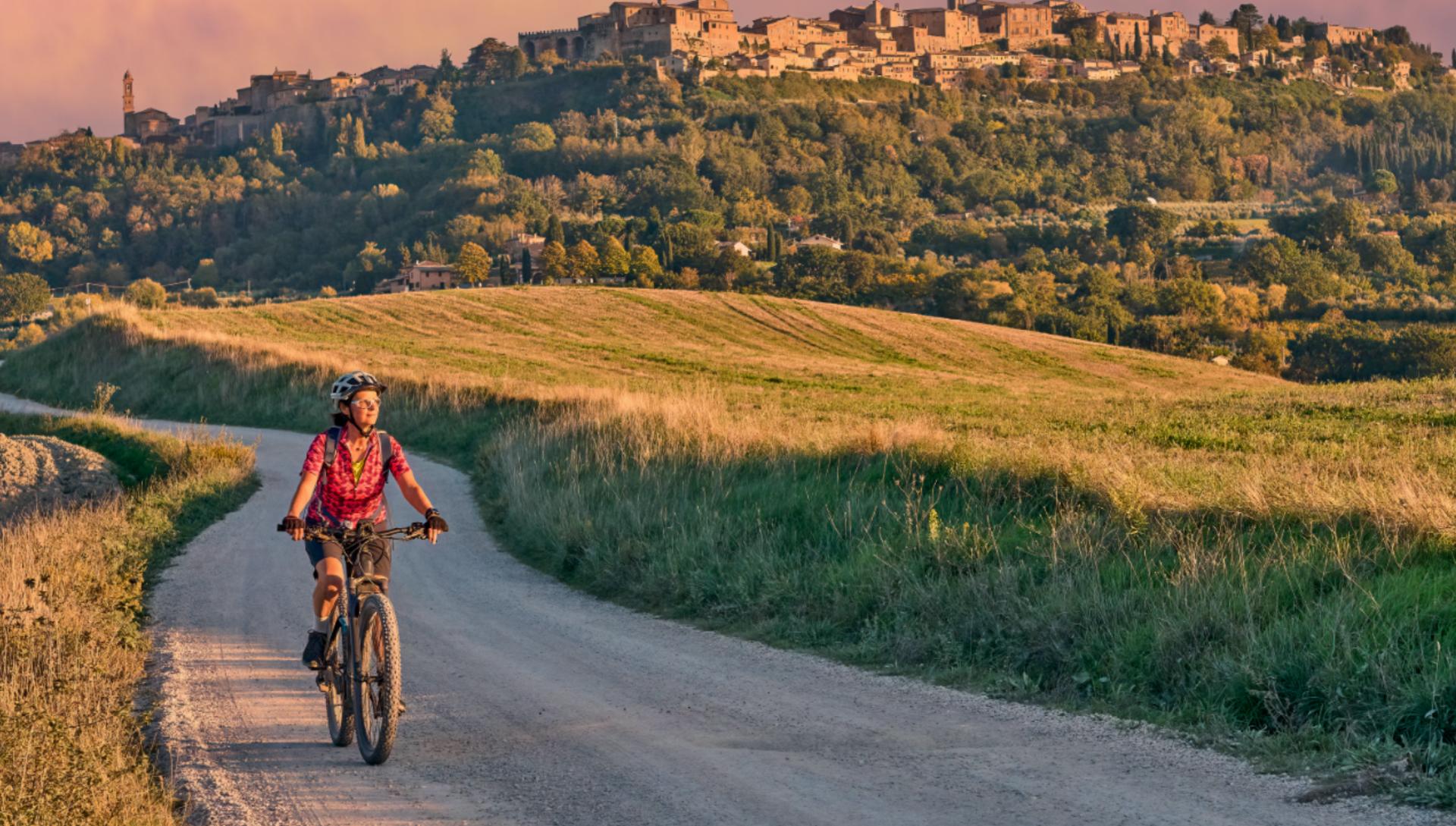
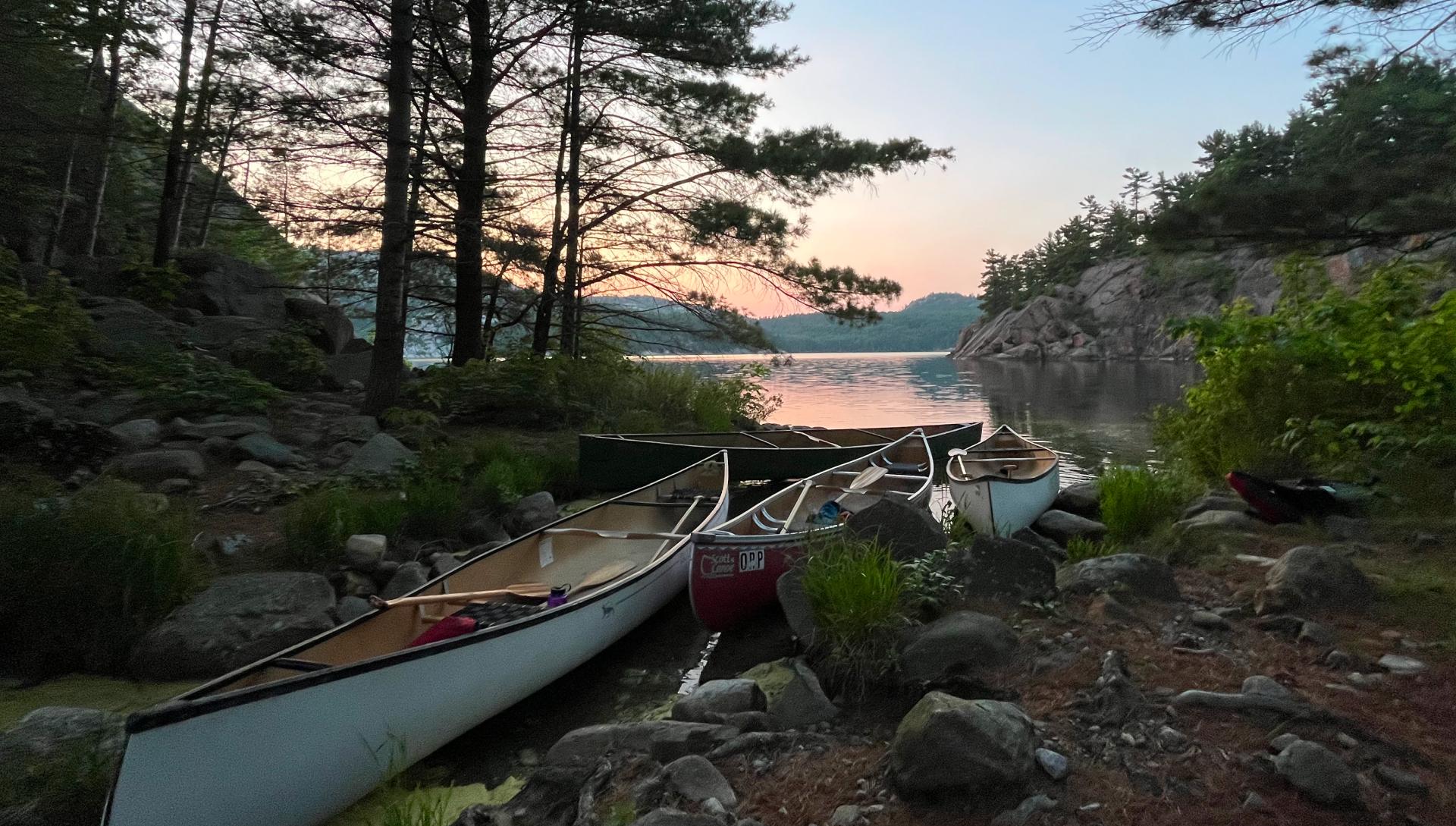
There’s an undeniable allure to escaping the hurly-burly of city life, whether to a cozy cabin retreat, a campsite nestled in a forest clearing, or a glamping setup that blends comfort with rustic charm. Between hikes through the woods, paddling across a calm lake, and lazy afternoons spent reading by the water, there’s also the promise of eggs sizzling in a pan, hearty soups simmering over an open flame, and s’mores enjoyed around the campfire after dark. These culinary moments are woven into the very fabric of the outdoor experience.
Still, even relaxation can be surprisingly exerting. Outdoor activities often demand more energy than we realize, making a balanced approach to outdoor eating all the more worthwhile. By pairing the joy of indulgence with nutrient-rich ingredients, you can help sustain your energy and make every moment of your getaway more enjoyable.
But let’s not be hasty. This isn’t about ditching your beloved hot dogs or campfire burgers. It’s about enriching your outdoor menu with practical, satisfying meals and snacks. So, let’s begin.
Fueling More Than Just Adventure
Mindful nutrition plays a crucial role in how you feel. A few days away, even with light-to-moderate activities like walking trails, skiing, or canoeing, can be taxing if your body isn't properly nourished. Relying solely on highly processed, sodium-rich convenience foods may offer quick satisfaction, but it can compromise sustained energy, hydration, digestive health, and, ultimately, your mood.
A holistic approach focuses on providing your body with nutrients it can convert into a steady stream of energy, aiding muscle recovery, maintaining stable blood sugar, and supporting overall well-being. This translates to more comfortable hikes, better sleep, and more enjoyment throughout your trip. It's about feeling energized rather than sluggish or rundown.



Nutrient quality: smart swaps for sustained energy
When planning your next retreat, consider the following:
Refined Carbohydrates vs. Fibre-Rich Foods
Many popular camping staples, including white bread and sugary snacks like chocolate bars, contain refined carbohydrates that the body can digest quickly, providing readily available energy. While these foods can be useful when you need a quick boost on the trail, snacks high in added sugars and low in fibre may leave you feeling hungry again sooner. Fibre-rich foods, on the other hand, including chia seeds, fruits, vegetables and legumes, help support healthy digestion, keep things moving in the gut and promote feelings of fullness.
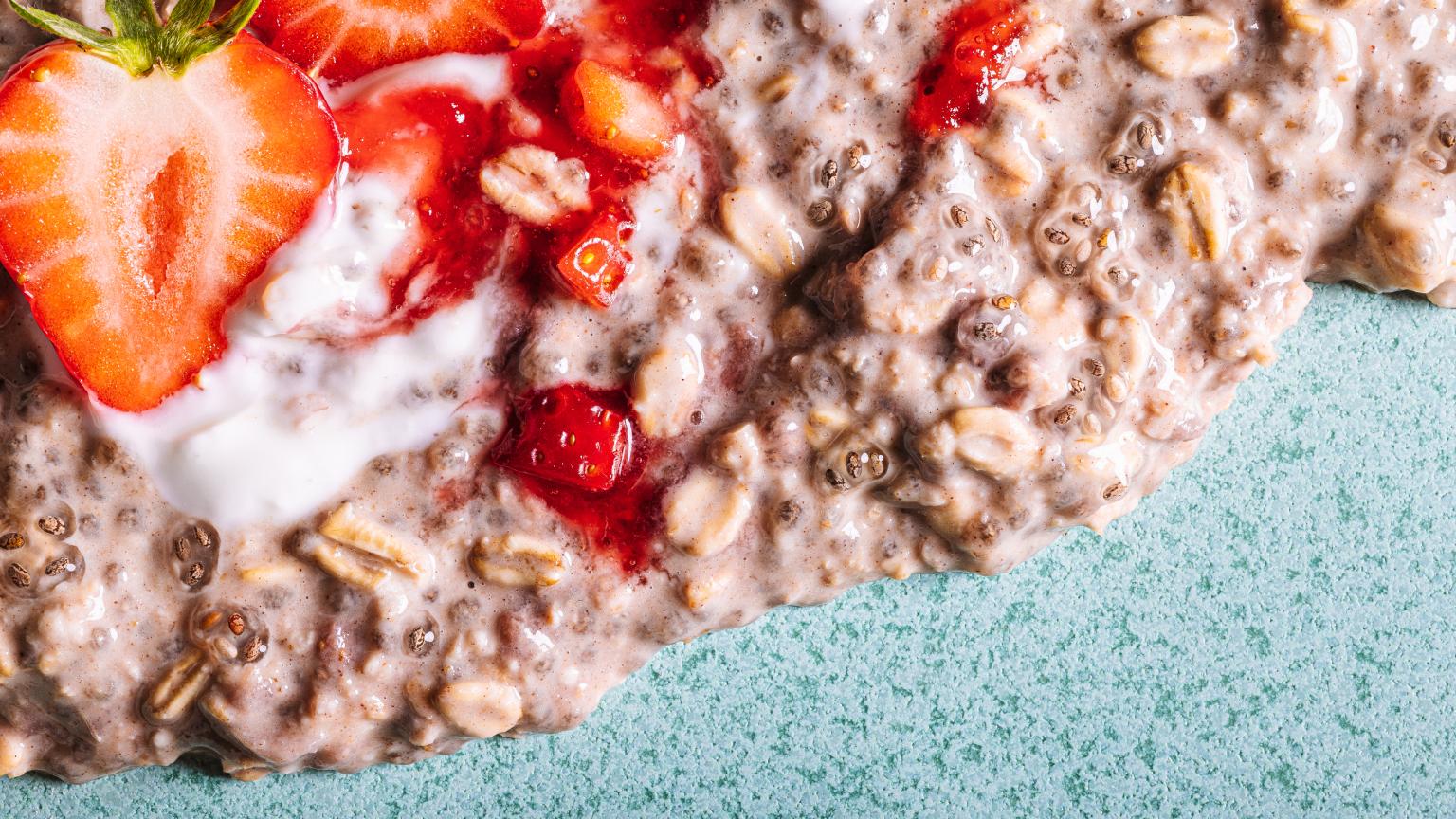
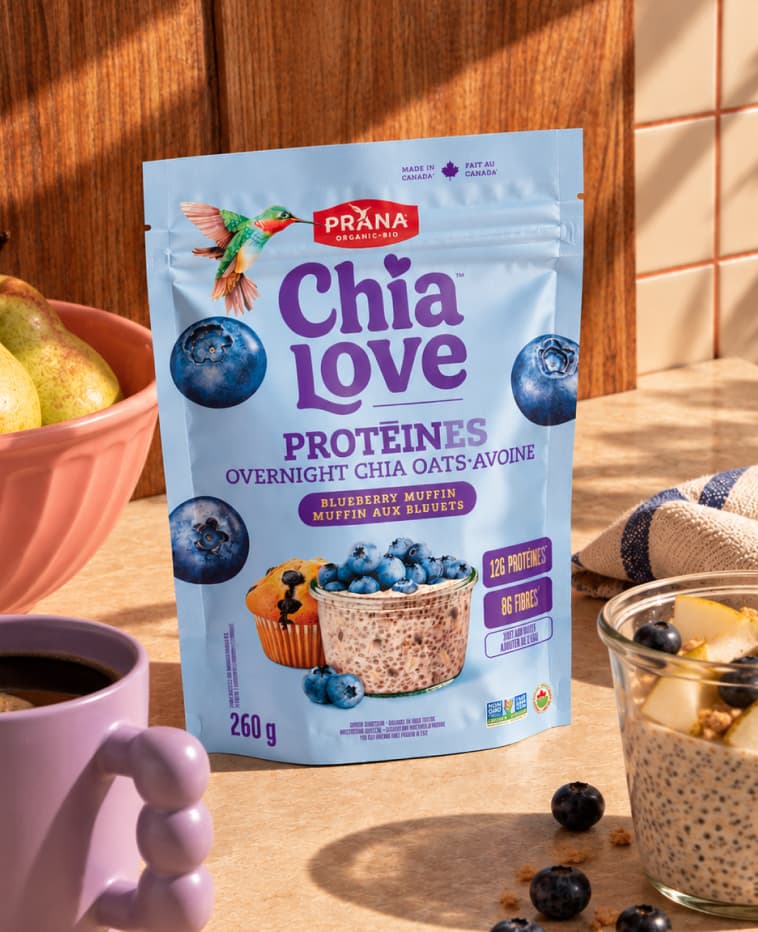
For a more nourishing start to the day, try opting for whole-grain oats or adding fibre-rich chia seeds to your breakfast. Chialove by Prana's overnight chia pudding, for example, offers a convenient way to enjoy both a chia- and oat-based breakfast before tackling any planned excursion during your retreat. Along with providing carbohydrates, these foods also deliver important nutrients, like Omega-3s, healthy fats and fibre that help keep your body running smoothly, from the start of your hike until you kick your feet up on the cabin recliner at the end of the day.
Saturated vs. Unsaturated Fats
Dietary fats provide energy, help your body absorb essential vitamins and support normal cell function. However, the type of fat you consume matters. Saturated fats, found in foods like butter, fatty meats and some cheeses, are best enjoyed in moderation. Meals high in fat can also leave you feeling uncomfortably full, particularly during physical activity.
Unsaturated fats, found in nuts, seeds (like chia), avocados and certain fish, offer heart-health benefits, especially when they replace saturated fats in your diet. These foods also provide essential nutrients that support overall health and, in the case of nuts, chia seeds and avocados, the additional dietary fibre that helps promote healthy digestion.
Try packing walnuts or trail mix for the hike, sprinkle chia or flaxseeds over your morning oats, or enjoy some nice smoked fish around the campfire. These simple swaps help support a balanced diet, providing energy and essential nutrients for your outdoor adventures.


Gut-Friendly Ingredients for Your Retreat
Now that we’ve covered the basics of carbohydrates, fibre and fats, here are a few ingredients and meal ideas to bring along on your next cabin getaway or camping trip.
Adding more fibre to your outdoor meals is easier than you might think:
Breakfast: Overnight chia and oats are an easy way to add fibre to your morning routine. Whole-grain pancakes or waffles topped with fresh berries are another great option, as is adding ground flaxseed to your yogurt or oatmeal.
Snacks: Apples, pears and carrot or celery sticks paired with nut butter make convenient, fibre-rich snacks. Trail mix with nuts and seeds—and a little chocolate for good measure—offers a satisfying combination of fibre, healthy fats and energy for the trail.
Main Meals: Lentil- or bean-based stews like chilli and whole-wheat pasta loaded with vegetables are filling, fibre-rich options that are easy to prepare ahead of time and enjoy around the campfire.
The Great Fibre Renaissance
Want to know more about the importance of fibre? Check out our comprehensive article.


Embracing Indulgence (Because Fun Is Fuel, Too)
Of course, eating well outdoors doesn’t mean giving up the camping classics. There’s nothing quite like a hot dog roasted over an open flame or the sticky, gooey perfection of a s’more at the end of a long day on the trail. These treats are part of the joy of getting away. The key is balance: enjoy the foods you love while building your meals and snacks around nutrient-rich ingredients that help fuel those adventures.
Make the Most of Your Getaway
With a little planning, you can make your next outdoor getaway both nourishing and enjoyable. A balanced approach to nutrition that includes fibre-rich foods, protein, healthy fats and plenty of water helps support your energy needs, digestive health and overall well-being. The goal isn’t to restrict what you eat, but to make thoughtful choices that help you feel your best while leaving plenty of room for the simple pleasures that make time outdoors special.
Recent Articles