Rethinking Sports so They Also Make Room for Women
One in three Canadian girls leave sport by their late teens. What keeps women riding, from bike fit and mechanics to mentors and maternity terms.
Photos by Égale Action
Why don’t girls and women have the same opportunities to participate in sports, improve their skills, and pursue a career in sports? From recreational cycling to professional sports, several initiatives in Quebec demonstrate what can change when their circumstances are taken into account.
A girl who grows up hearing that she’ll never make a living playing sports may not view a career in sports the same way her brother does. A teenage girl who can’t find a team suited to her skill level may end up looking for her place elsewhere. A cyclist who doesn’t know how to fix a flat tire might think twice before setting out alone. And a professional athlete who becomes pregnant may see her income threatened if her contracts don’t include any protections.
These scenarios may seem far removed from one another, but they highlight a common issue: the conditions under which girls and women participate in sports directly influence the opportunities available to them.
The 2020 Rally Report from Canadian Women & Sport found that one in three Canadian girls who play a sport leave it by their late teens, a figure that had barely moved since 2016. Among women aged 16 to 63, only 18 per cent are involved in sport at all.
The question should therefore be reformulated. Instead of trying to understand why women leave sports, we should examine what aspects of sports—its organization, structures, and culture—might prevent them from fitting in. After all, girls are fundamentally no different from boys of the same age; if they’re encouraged to participate, they’ll want to stay involved. This is the work of Égale Action, a Montreal-based organization that has been advancing girls’ and women’s participation in sports in Quebec since 2001. Through its efforts and those of several community initiatives, a growing awareness is emerging: access to sports alone isn’t enough. It’s also essential to be able to learn, grow, and be recognized within the sport.
Why Girls Leave Sport As They Get Older
Encouraging a girl to start a sport and providing the means for her to keep at it are separate things. Sports choices are shaped early on, often before young people are even able to voice them. Comments heard at home, the expectations of those around them, the role models they identify with, and the opportunities available gradually influence the way a young girl views her place in sports.
Stereotypes also play a role in this dynamic. Portraying sports as a “Boys’ sport” creates from the get-go a blockade to a teenage girl’s opportunities for development. If she doesn’t see women in coaching or leadership roles, this can influence her ambition and choices. Recognition, coaching, and the resources allocated to women’s sports (for example, the budget for a women’s soccer team versus that of its men’s counterpart, the quality of the fields where teams play, etc.), and the opportunities that allow athletes to continue playing sports over the years all matter. Most girls who play sports could give you plenty of examples.
In Quebec, women account for 35% of sports federation members, according to data from Égale Action. While this figure may seem negligible at first glance, it also means that 65% of sports federation members are men. This disparity raises questions about the environments provided, opportunities for advancement, and the role given to girls and women in various sports.
What makes someone feel she belongs in a sport?
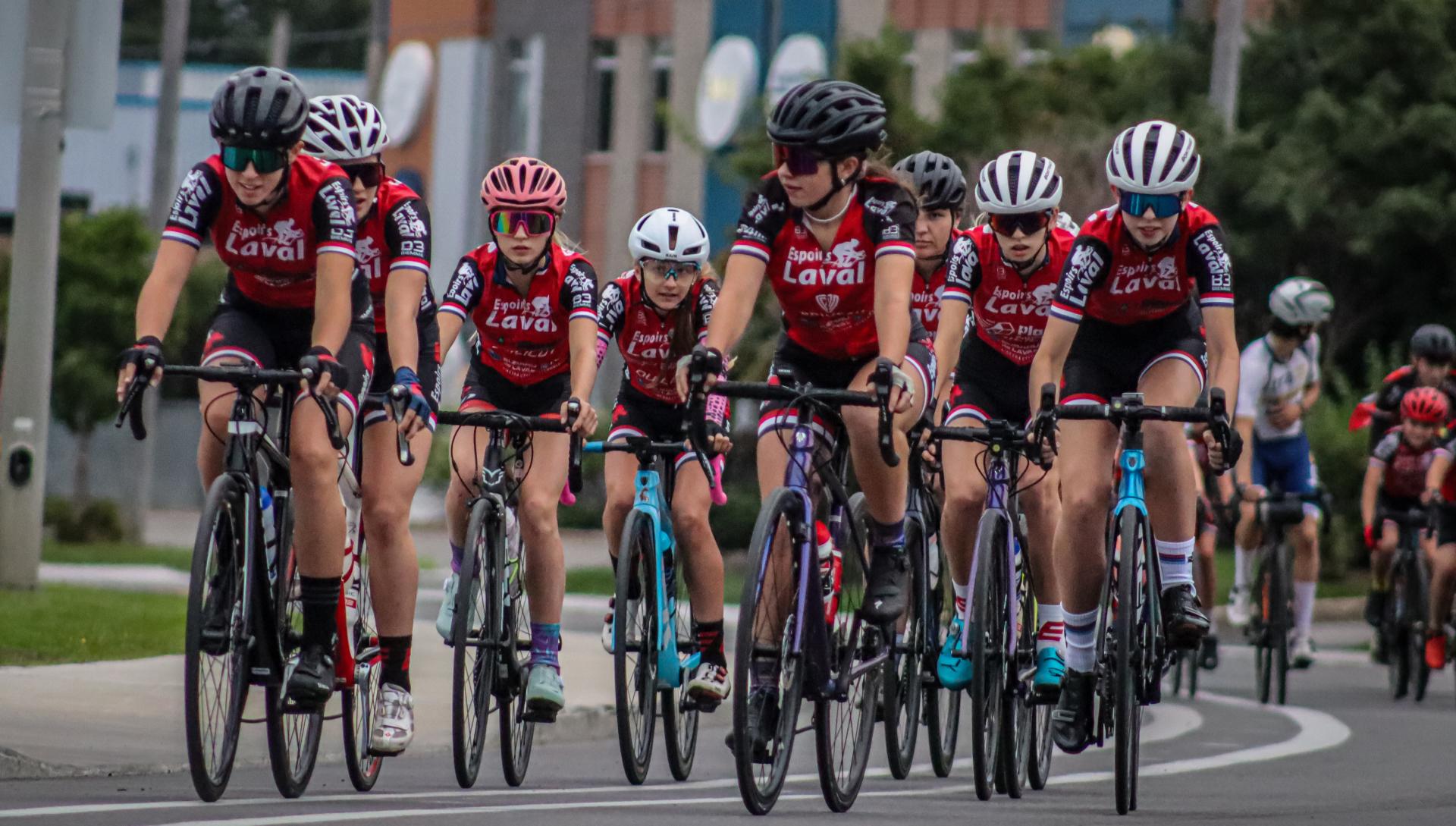
Belonging shows up in small signals. The way a group allows newer riders to catch up at the top of a hill with words of encouragement is different from, say, more experienced riders waiting with crossed arms and silence. The first example lets a beginner feel like she can ask questions, try new techniques, and learn from her mistakes. In the second, she’s likely to feel watched and judged.
Women-only groups can indeed offer a different setting, provided that their needs and situations are taken into account. The technical level, pace, instruction, and safety are all part of the experience, just as much as the opportunity to meet others who are going through similar situations and who are like us. Cycling is a good example, but the same is true for the vast majority of sports activities.


The Small Barriers That Push Women out of a Sport
How much do gear and mechanical skills matter?
A bike that doesn't fit makes every ride harder than it has to be. A reach that's too long loads the shoulders; a saddle set too low turns a 20-kilometre loop into a sore-knee project. Plenty of new riders may assume these discomforts are a part of the sport, and as a result, feel like it might not be for them. They don’t realize that the setup directly correlates to a comfortable experience.
Mechanics are another essential. If you can't change a tube, a flat 15 kilometres from home becomes a worry, and then a reason not to go out. Having to rely on others for repairs also limits one’s ability to ride independently. Even here, these are skills that we don't necessarily associate with women, even though they're essential for continuing in the sport.
Thankfully, organizations like Les Maniv'elles, a mechanics workshop by and for women at La Cyclerie, help women develop these skills in an environment designed just for them. There, they learn how to maintain and repair their bikes alongside other participants, in a setting where it’s easier to ask questions—even ones that seem very simple.
How Pregnancy and Periods Affect Sporting Careers
What happens to an athlete's career when she becomes a mother?
In professional sports, pregnancy raises issues that go far beyond training and physical conditioning. For a female cyclist whose income depends on her performance, her sponsors, and her participation in competitions, taking a break from her career is not something she can afford to take lightly.
Since 2020, the Union Cycliste Internationale (UCI) has required women’s WorldTour teams to grant their athletes three months of maternity leave with full pay, followed by five months at half pay. The rules were later relaxed to allow teams to hire a replacement during the leave and for cyclists to sign with a team as soon as it ends. However, these protections apply only to the highest level of road cycling. In lower categories, conditions depend more on the teams and sponsors. When a contract is based on results or the number of competition days, a pregnancy can result in a significant loss of income. Athletes are, in a sense, left to fend for themselves if they have not negotiated contracts that take this possibility into account.
Why does menstrual health belong in the training plan?
The menstrual cycle can affect energy levels, recovery, and the perception of exertion. However, the effects vary greatly from person to person; therefore, there is no single formula that would automatically adapt training to each phase of the cycle. Scientific research has long given little attention to female physiology. Égale Action points out that less than 10% of research in health and sports sciences focuses exclusively on women. Teams and clubs have a role to play in better integrating these realities into their operations. Being able to openly discuss one’s menstrual cycle with a coach, adjusting certain training sessions as needed, and having access to restrooms and menstrual products during sporting events are all factors that can influence athletes’ experiences.
Quebec Initiatives That Make Room for Women in Cycling
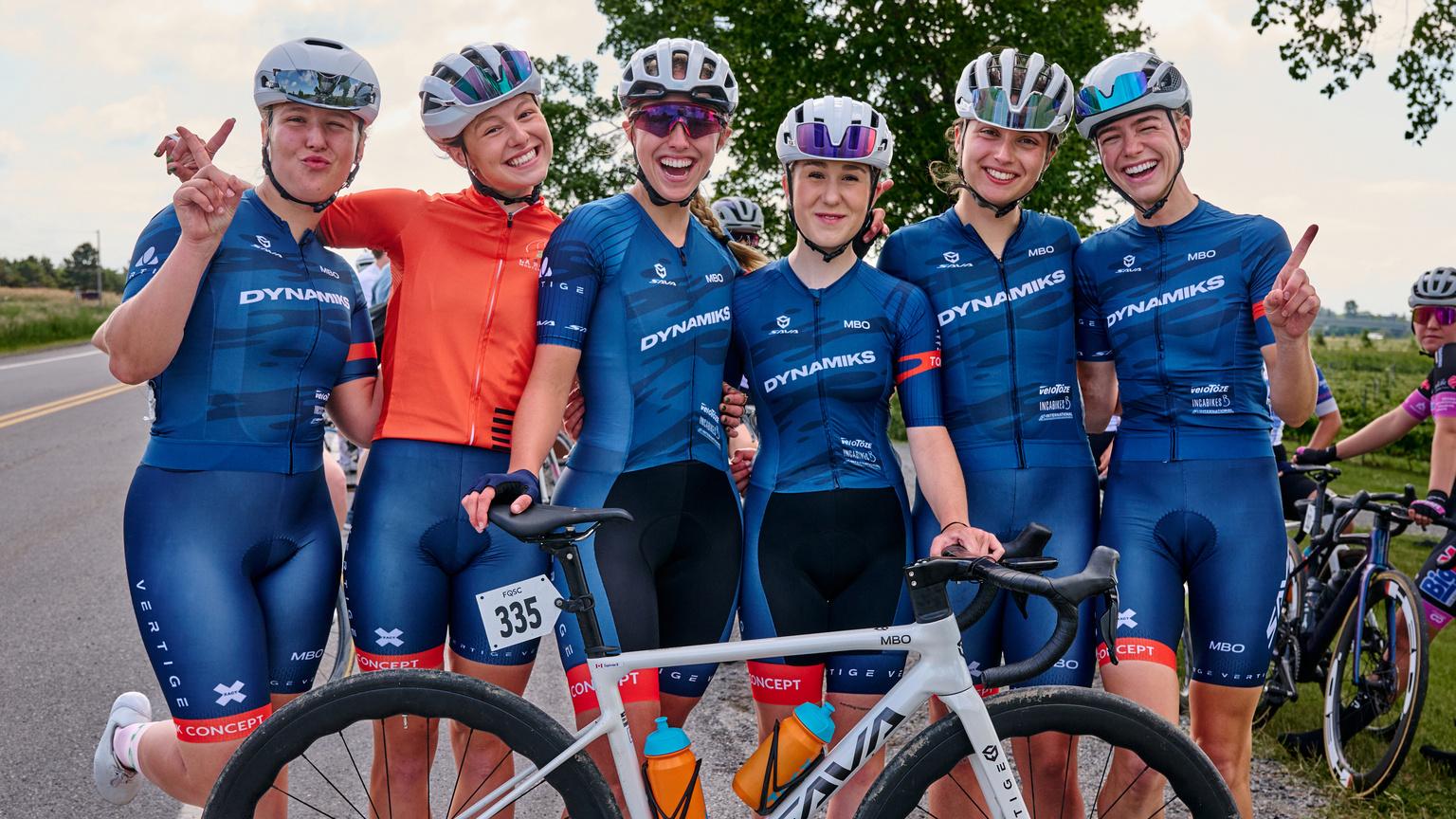
Several organizations and groups in Quebec offer different ways to discover cycling, improve technique, and meet other cyclists. Their approach isn't limited to bringing women together; they also seek to create settings that take into account their needs, skill levels, and circumstances.
The Vélo Québec program is designed for adult women who have never learned to ride a bike or who want to regain their confidence. Launched in 2021, it offers sessions focused on mutual support, without pressure or competition. Equipment can be provided, allowing participants to join without having to buy a bike right away.
When it comes to mountain biking, this school—based in Mont-Tremblant since 2014—offers classes, technical clinics, and guided rides for women, from beginners to experts. Groups are organized by skill level so that each participant can work on her skills at her own pace. E-bikes are also welcome for certain activities.
This Montreal-based volunteer-run collective organizes free, non-competitive gravel bike rides for women, trans people, and non-binary individuals. The activities take place year-round and are open to riders of all skill levels. The collective also hosts “Garnottes Savants” evenings, where participants can share knowledge on topics such as route planning and repair kits to bring along on bike trips. The rides are not led by certified guides; each person is responsible for their own safety.
What does it take to go from participant to leader?
Staying involved in a sport can mean more than just being an athlete. Coaches, mechanics, officials, administrators, and managers all help shape the sports environment and the opportunities available to future generations. Yet women remain underrepresented in many of these roles. According to the Rally Report, women hold 24% of head coaching positions on women’s teams at Canadian universities and colleges, and only 18% on co-ed teams.
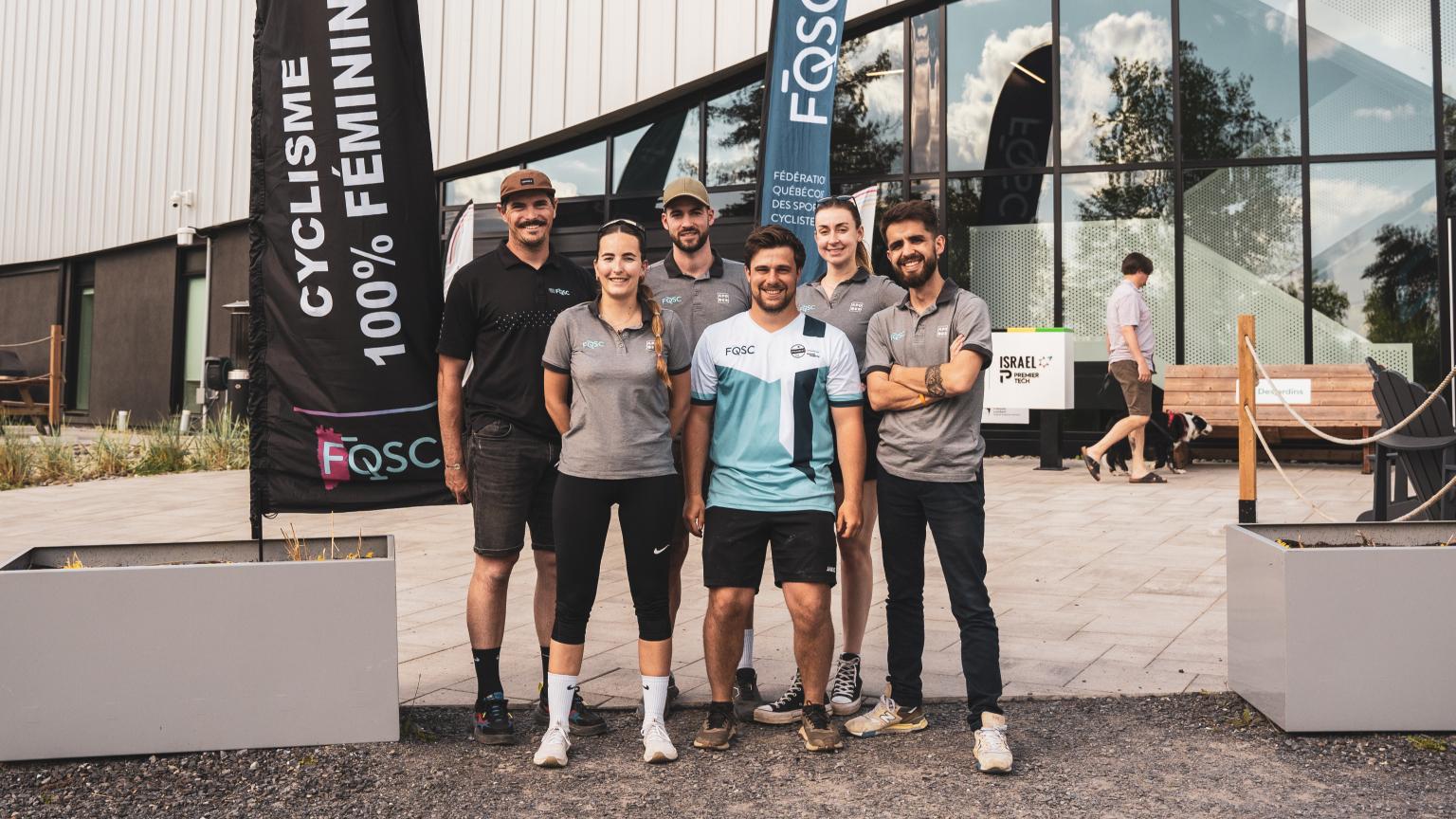
Égale Action addresses these issues in various ways. Notably, the organization coordinates a community of practice that brings together Quebec sports federations seeking to advance the role of girls and women within their structures. Its “Women of Influence in Sports” Gala also highlights the work of those who contribute to the development of sports, whether as coaches, volunteers, mentors, or administrators. In partnership with Laval University’s PROFEMS Lab, Égale Action also produces the podcast Jouer comme une fille, which, since 2021, has been spotlighting women who have helped advance their sports and challenge certain stereotypes.
However, the issue of representation can't be resolved simply by highlighting female role models. Concrete opportunities for accessing these roles must also be created: funding training programs for female coaches, offering mentorship, enabling women to acquire mechanical skills, and opening the doors to governing boards and technical committees for them. And it’s important to note that these training programs aren’t aimed solely at women—quite the contrary: a major part of the organization’s work is precisely to help male managers and coaches better understand the realities faced by professional female athletes. Greater understanding leads to better support, and everyone benefits.


FAQ
Recent Articles