It All Starts With the Soil
A discussion on regenerative agriculture with Patagonia.
Photos by Patagonia
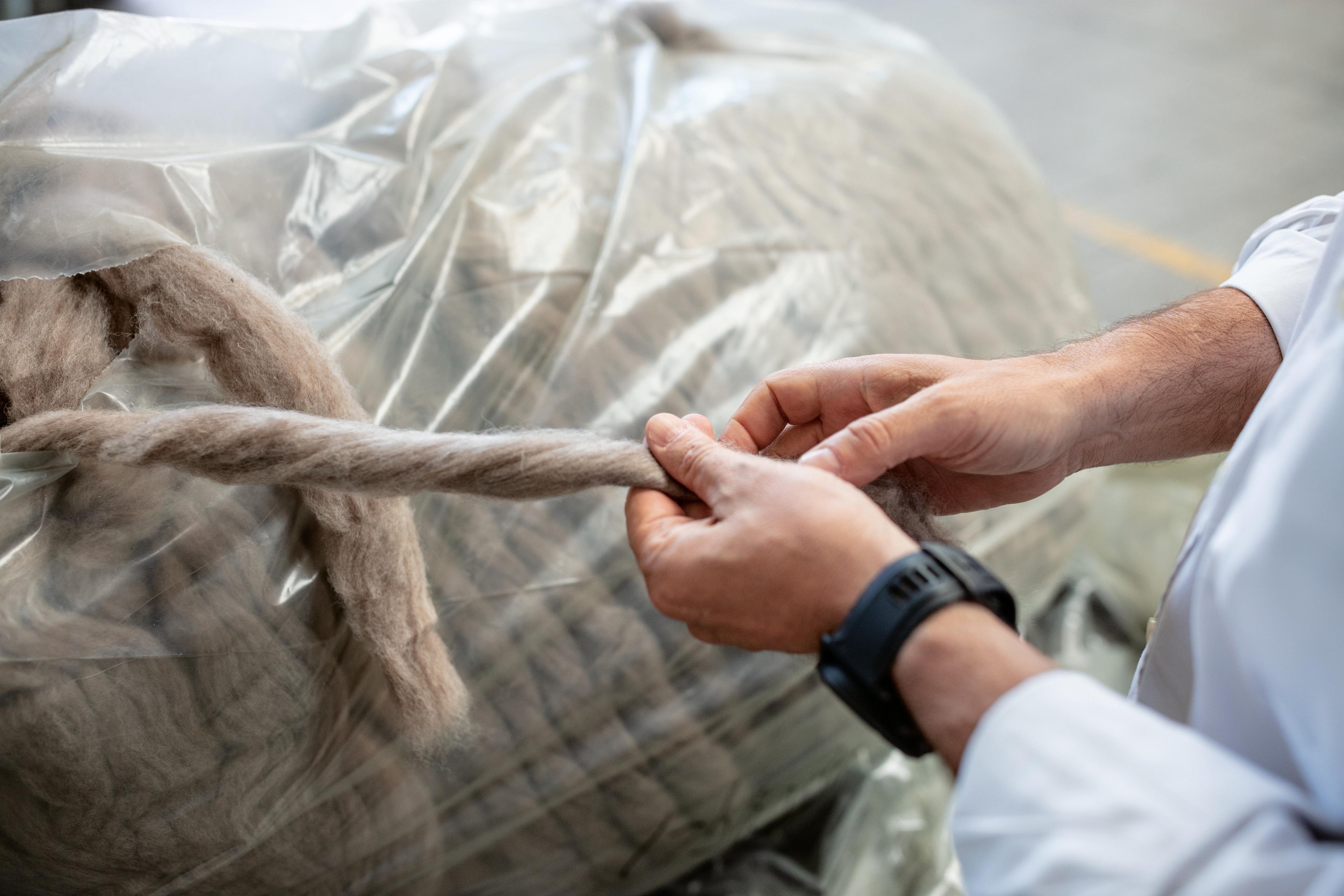
To the average shopper, sustainable fashion means organic cotton, recycled polyester, and hangtags promising an environmental standard. But before we even consider the finished product or how clean the factory floor is at any given stage of the manufacturing process, we have to dig deeper—down to the soil where crops eventually become the textiles we wear and the foods we consume.
Sustainability is how the conversation started, but regeneration is the next phase in the evolution of responsible manufacturing—and it plays a central role in Patagonia’s plan for the future. Beyond responsible sourcing, organic materials, Fair Trade CertifiedTM production, supply-chain transparency, and repair initiatives, regeneration signals the outdoor industry’s next meaningful challenge. While some brands have begun to plant these seeds, it will take time for them to yield change at scale.
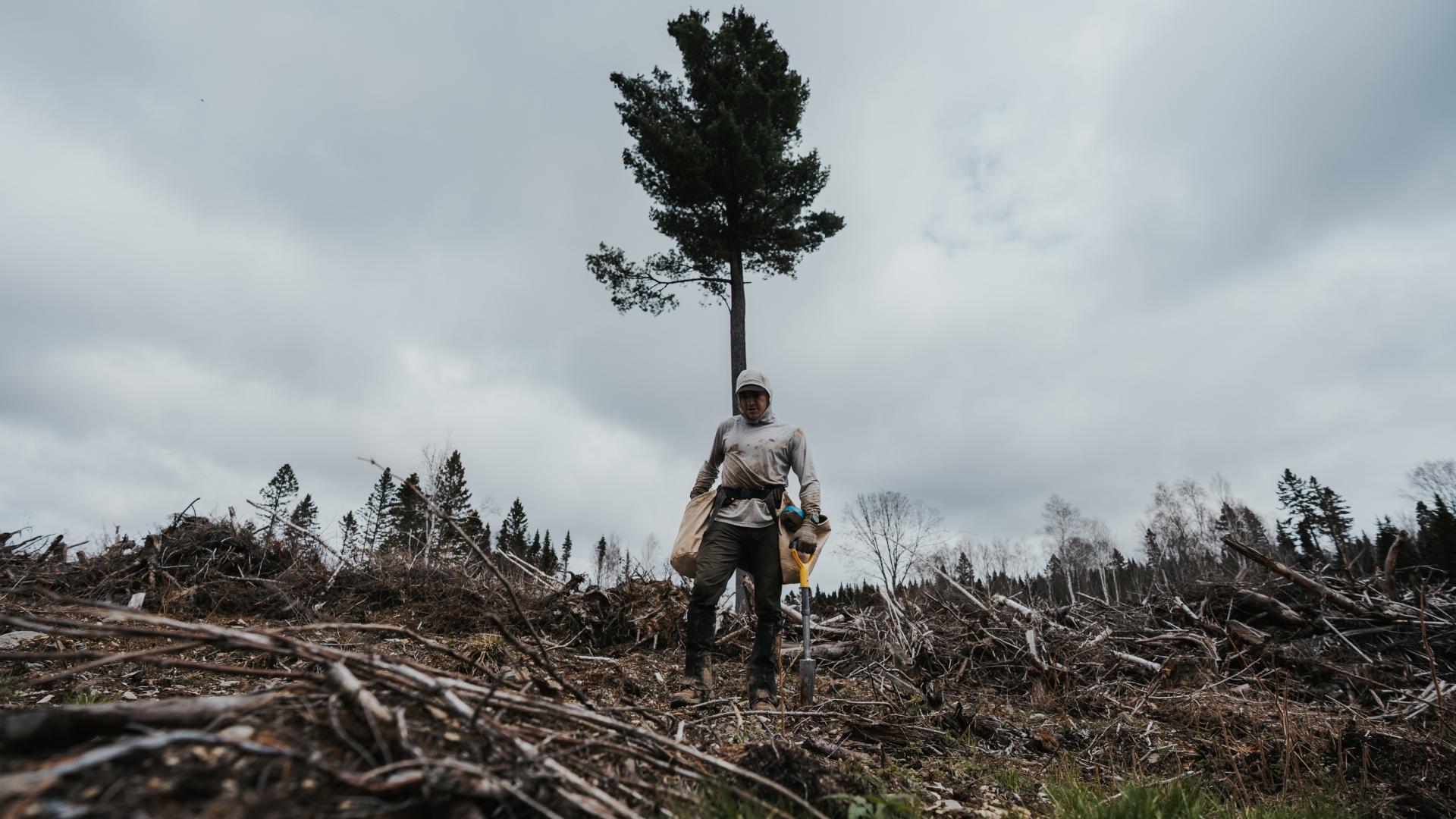
Farming has been central to human survival since prehistory; today, it remains the lifeblood of our communities and a cornerstone of the global economy. We rely on fertile land and resilient crops. Yet much of modern industrial agriculture is not sustainable. Heavy machinery, monocropping, large-scale confined livestock operations, and the widespread use of synthetic fertilizers and pesticides can, over time, degrade soil health and reduce once-fertile land to diminished productivity or infertility altogether.
“To me, the feel of the soil is the most tangible difference,” says Wendy Savage, Patagonia’s Director of Social Impact and Transparency. “On a chemical farm, it sort of crumbles in your hand. There’s no warmth to it. In regenerative organic farming, you can feel that the soil is alive.”
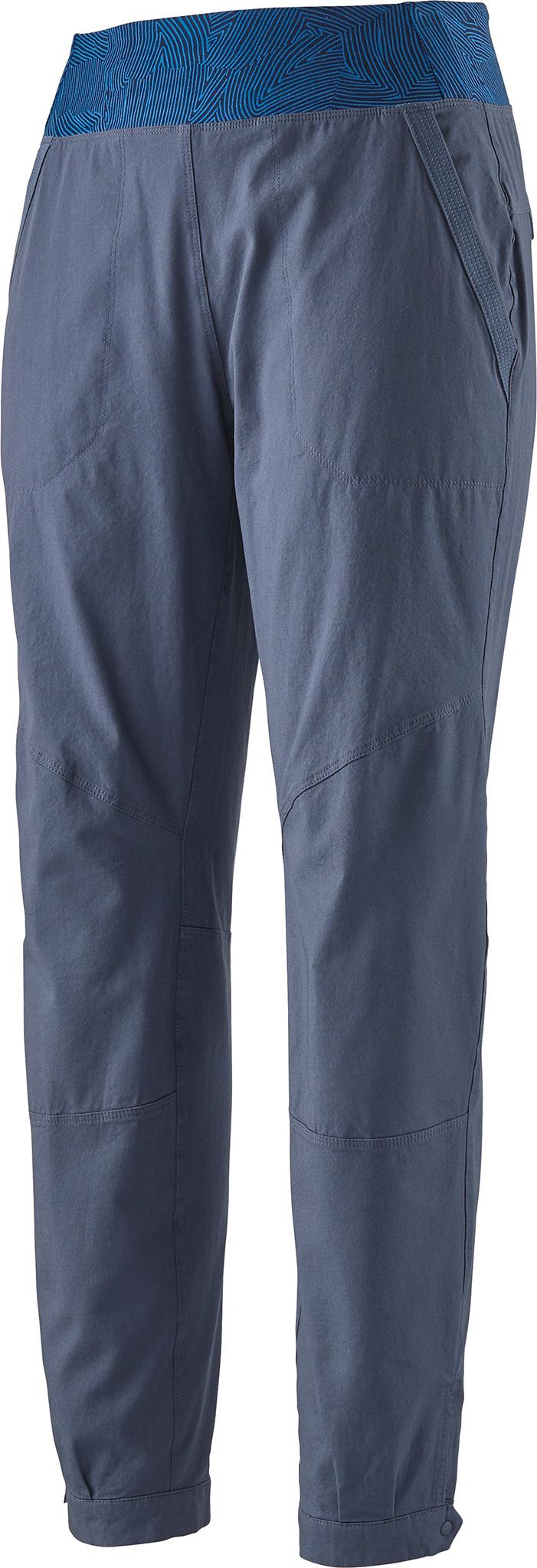
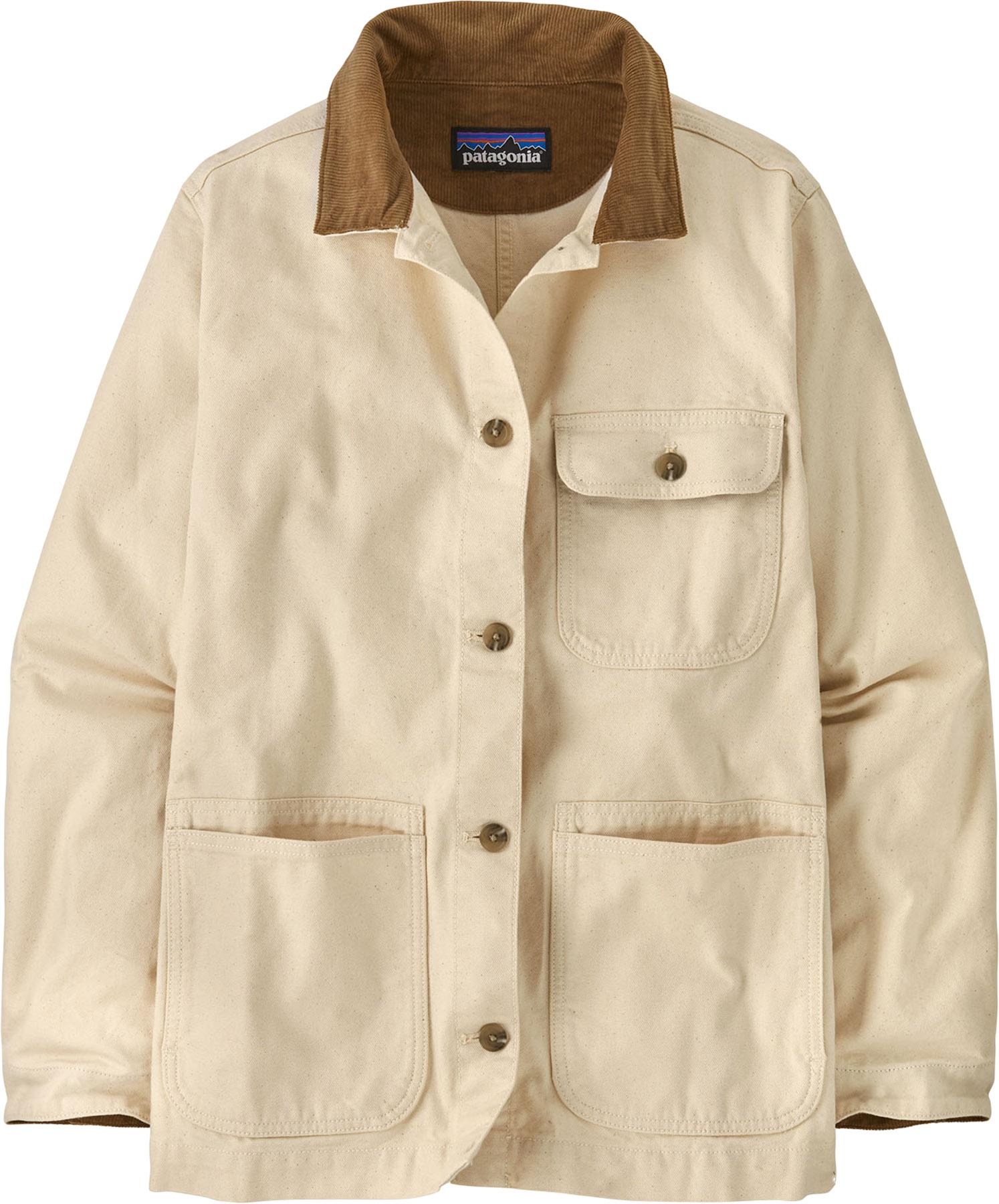
Regenerative Organic Certified® Items From Patagonia


That’s just what regenerative agriculture focuses on: rebuilding topsoil, improving pasture systems, and strengthening entire agroecosystems so future generations can continueto grow healthy crops. It relies on lower-impact practices such as composting, diverse crop rotations, cover cropping, managed grazing, and low- to no-till methods that help soil retain water and organic matter. When thoughtfully implemented, regenerative systems can improve soil fertility and resilience, and in some cases increase yields over time—particularly through diversified approaches like intercropping, which involves planting multiple crops together to support biodiversity and soil health.
Soil degradation is a quiet peril to our environment—well-documented, yet often overlooked in conversations about textiles and food. A substantial share of the world’s soils are affected by erosion and other unsustainable practices. In 2017, the Regenerative Organic Alliance was formed by Patagonia, the Rodale Institute, and others to advance the Regenerative Organic Certified® (ROCTM) standard. This certification builds on organic requirements and sets additional criteria for soil health, animal welfare, and social fairness for farmworkers. To date, Patagonia’s regenerative organic program has benefited over 2,000 farmers, and represents 17% of all the cotton used in their products (up from 0% in 2019). It’s a promising start, and only the beginning of the broader shift needed to encourage the outdoor industry and others to think more holistically about the full lifecycle of the products we make and the impacts they carry behind the scenes.
Key Practices of Regenerative Agriculture at Patagonia
01 - Reduce Chemical Input
This minimizes or eliminates synthetic pesticides, fertilizers, and growth hormones in the farming process.
02 - Manage Water
Reduced tilling, chemical application, and cover cropping help minimize nutrient runoff, enabling soil to hold significantly more water.
03 - Foster Biodiversity
By implementing intercropping and crop rotations, plant and animal life can thrive more naturally. This supports essential pollinators, beneficial insects, and wildlife.
04 - Integrate Livestock
Integrating pasture-based grazing supports soil health and ecosystem balance. It can improve nutrient cycling while supporting livestock health.
05 - Maintain Soil Cover
Cover crops (non-cash crops), such as grasses or legumes, are used to improve soil health. They can fix nitrogen, increase organic matter, retain water, and act as living mulch for cash crops.
06 - Diversify Crops
By implementing intercropping and crop rotations, plant and animal life can thrive more naturally. This supports essential pollinators, beneficial insects, and wildlife.
07 - Minimize Tillage
Reducing soil disturbance helps retain water and organic matter. It also supports soil structure and long-term productivity.
Tags
Recent Articles