Saguenay–Lac-Saint-Jean
The ultimate guide for adventurers and nature lovers.
Photos by Tourisme Saguenay–Lac-Saint-Jean
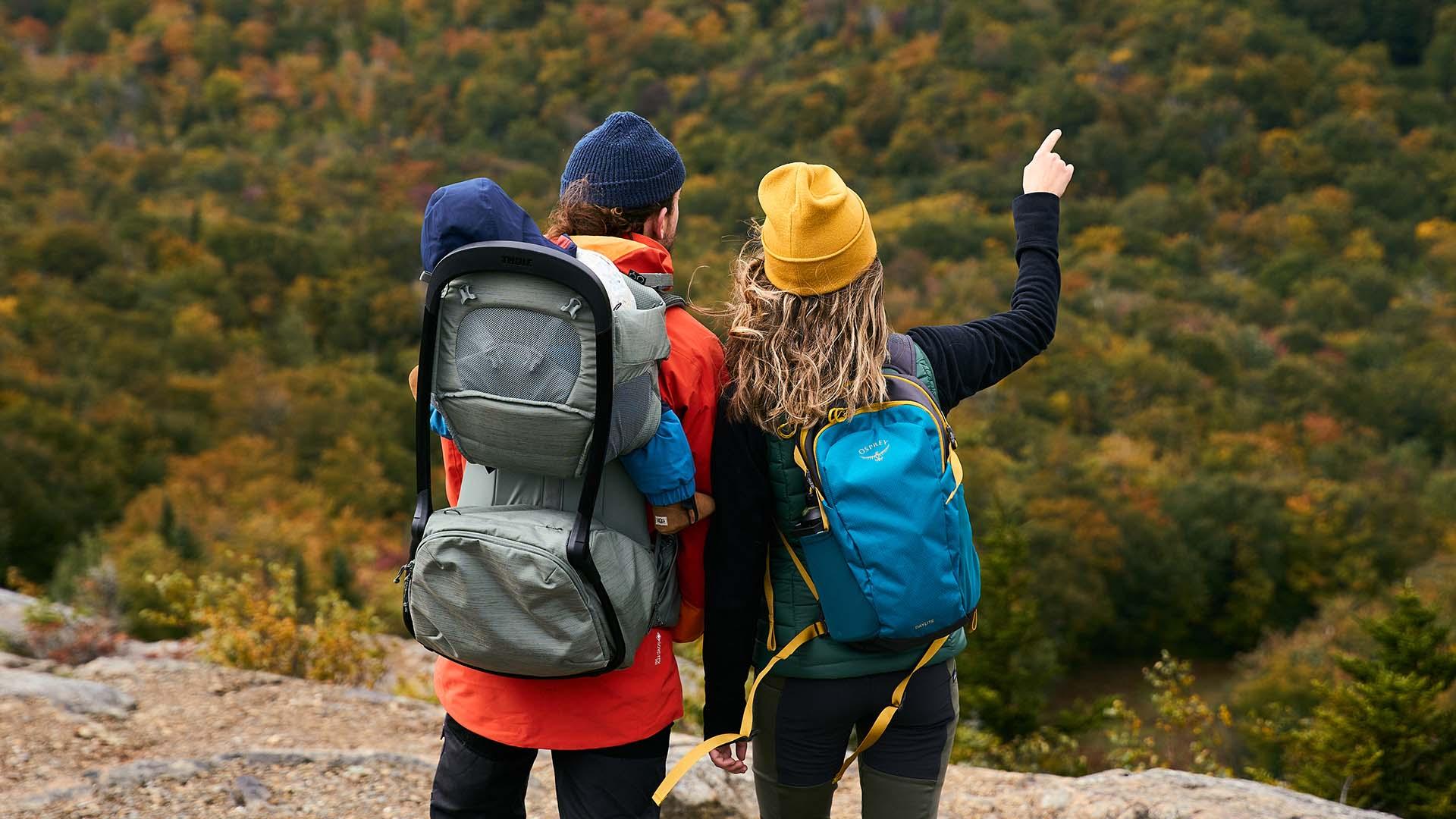
Venture into the Saguenay–Lac-Saint-Jean region, and you’ll find a vast area full of charm, beauty, and activities for the whole family. Hiking, cycling, watersports, winter sports, agrotourism—whatever your interests or passions, you’ll find things to do year-round. Read on for a closer look at the best the region has to offer.
A Destination for Every Adventurer
If you drive just over 200 km north of Québec City, you’ll come to the city of Saguenay, which sits on the shores of the Saguenay River with a fjord that leads 100 km inland from the Saint Lawrence River. Its waters run deep enough for sailboats, motorboats and even cruise ships to come visit the many sites of Quebec’s northern shore.
The fjord cuts off at Saint-Fulgence, and from there you're at the edge of the vast territory of the upper Saguenay River, where you’ll find canoers and kayakers navigating the streams and rapids that lead from the region's namesake, Lac-Saint-Jean. Along its shores and beyond, you’ll find 45 villages and towns that offer plenty to do, from enriching cultural experiences to museums, historic villages, or discovering the region’s best culinary offerings made from local boreal flavours.
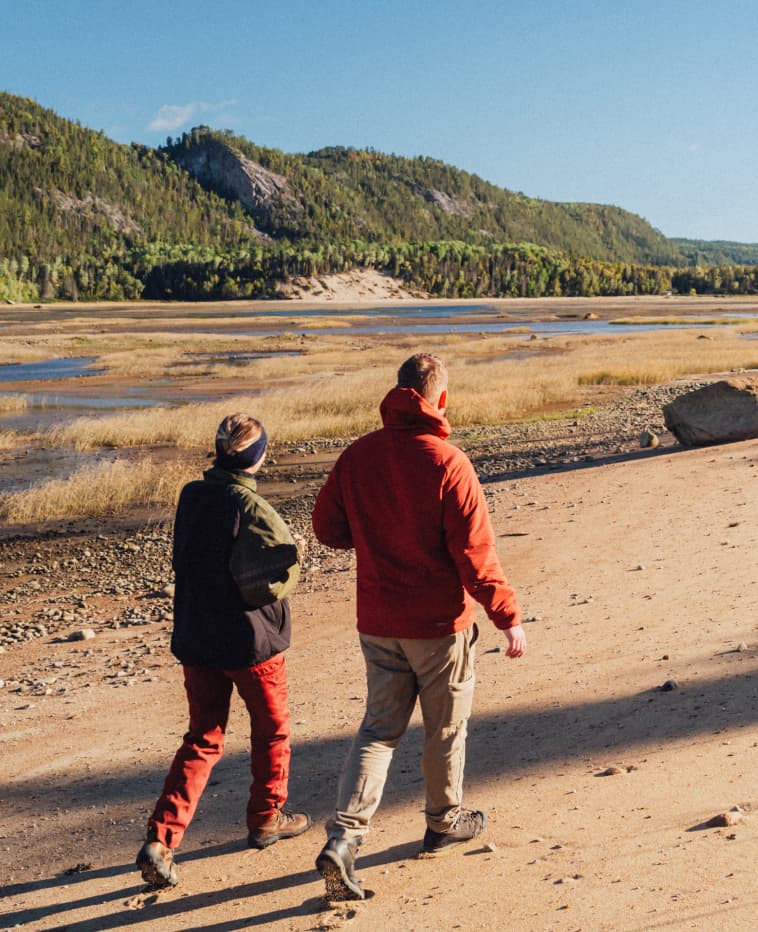
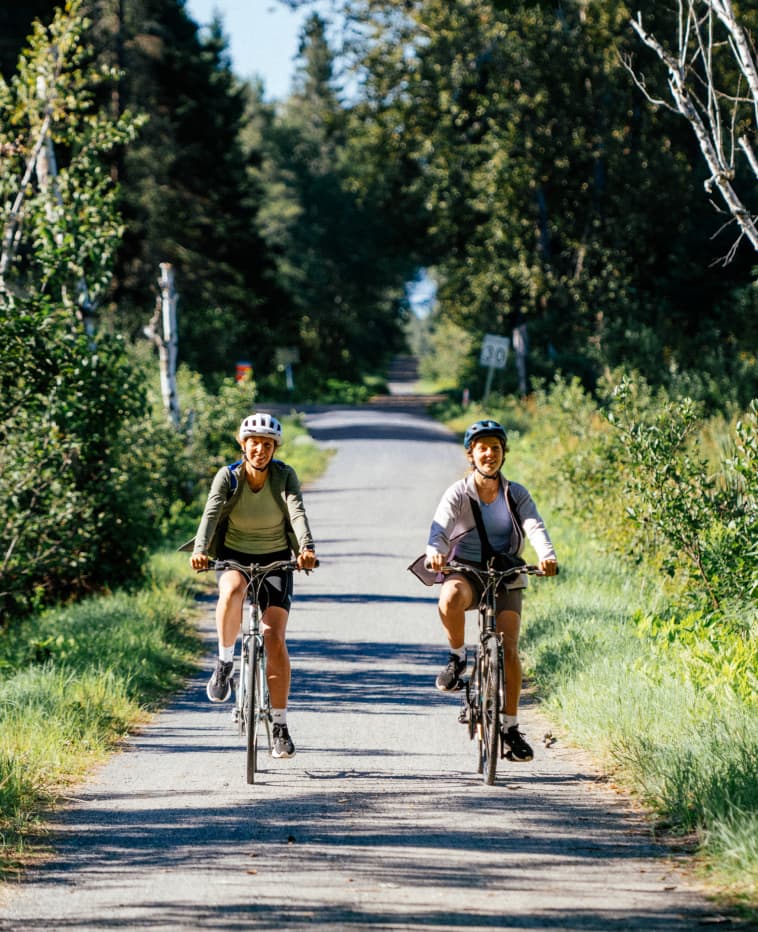
With its mountains, lakes, fjord, rivers, bike paths, trails, and wide-open spaces, there’s something for everyone in Saguenay–Lac-Saint-Jean. If you want to go cycling with the family along the Véloroute des Bleuets or mountain biking, you'll find a network of bike-friendly roads and paths.
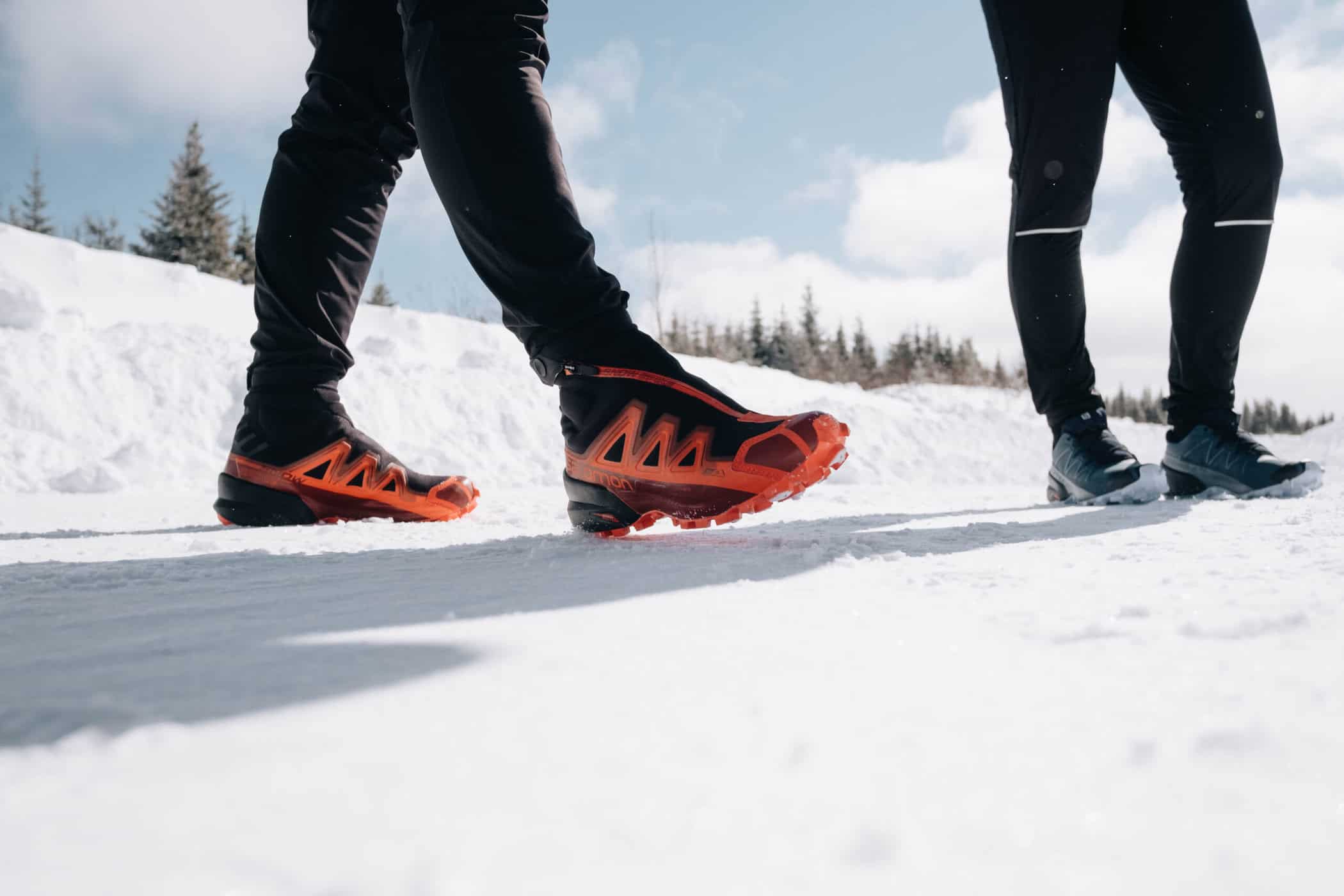
For those who love snow-covered landscapes and icy adventures, there’s backcountry, resort, and cross-country skiing for every skill level. The large bodies of water and ample winter snowfall have also made the region a go-to spot for ice fishing, snowmobiling, and snowshoeing.
Visiting the Three National Parks
The Saguenay–Lac-Saint-Jean region spans an area of over 95,000 square km, and within that space you’ll find a network of trails waiting to be explored. You’ll also find three incredible national parks, each with its own unique offerings and activities.
1. Pointe-Taillon National Park
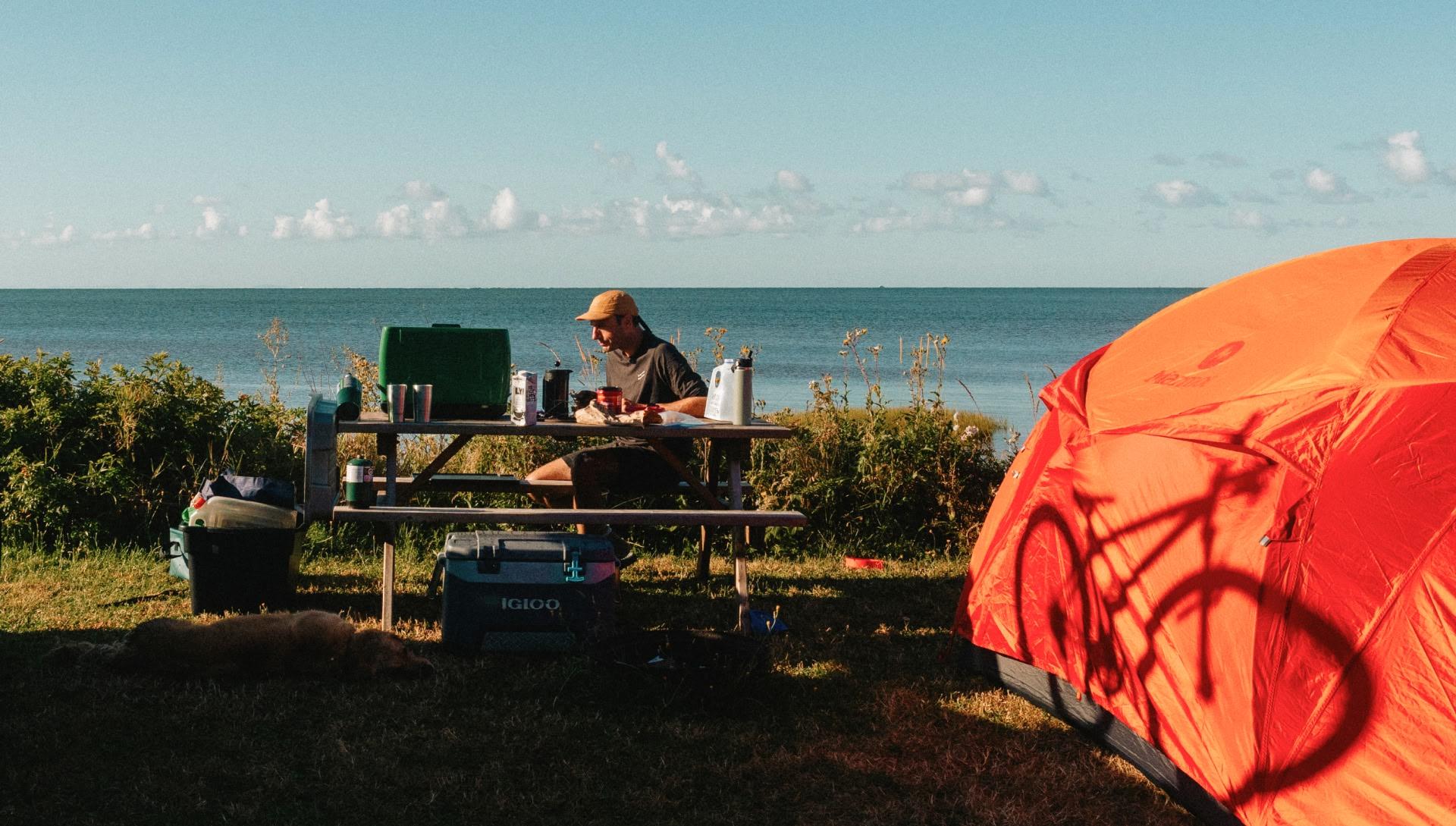
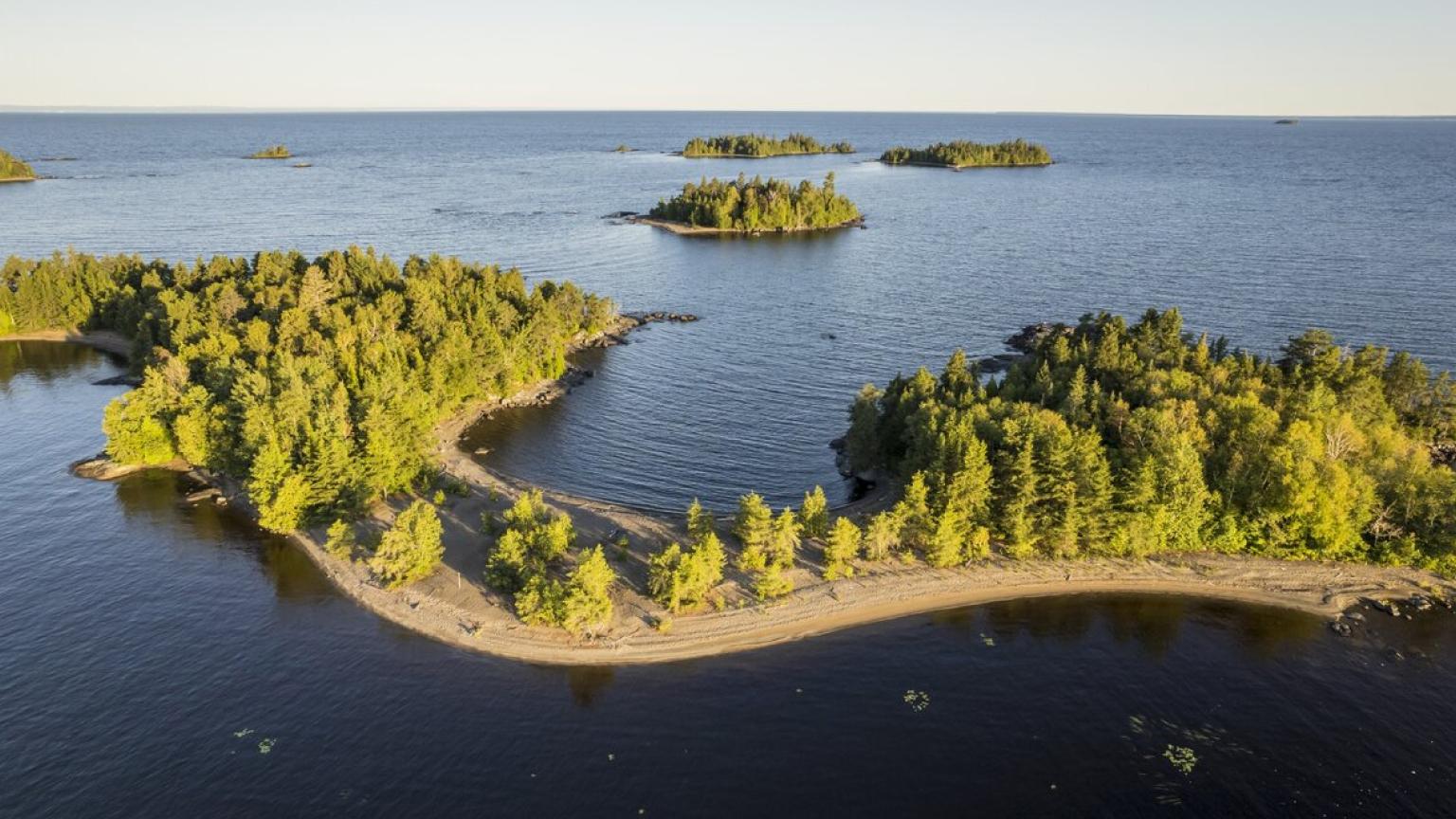
The first park on our list is Pointe-Taillon National Park, on the northern shore of Lac Saint-Jean. The park sits on the peninsula between Lac Saint-Jean and the Peribonka River on the north side. If you’re looking to escape into nature in a family-friendly environment, this is the park for you. It features 15km of sandy beaches, perfect for a day by the water. If you want to bike through the park, there’s a 45-km trail through the park that connects to the previously mentioned Véloroute de Bleuets.
There are plenty of ways to get across the lake during the summer. In winter, it's a great spot to go snowshoeing around the lake. For lovers of cycling, watersports, sandy beaches, and green trails, Pointe-Taillon National Park is the ideal destination for family-friendly activities and those who want to do a bit of everything.
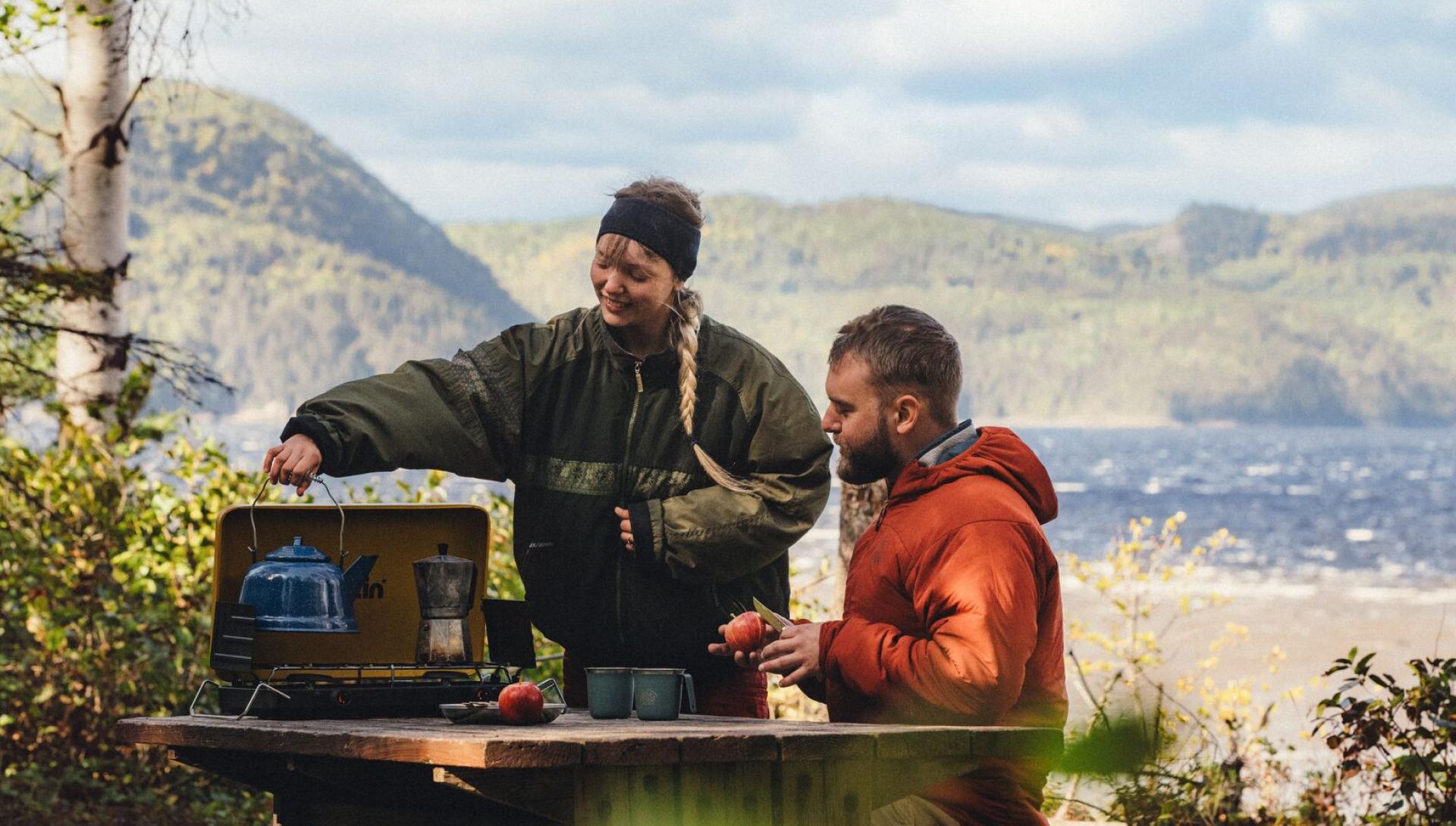
You must pay an entry fee to access the park. Daily passes can be purchased or an annual card if you think you'll be back often. Bikes, canoes, paddle boards, kayaks, and pedal boats can be rented on site. Campsites are also available throughout the park. If you're travelling with canine companions, check the interactive map before booking to see which campsites allow dogs.
2. Monts-Valin National Park
Monts-Valin National Park is just around 32 km north of Saguenay, and its centrepiece is the Monts-Valin massif, with its peak rising to 984 m. The National Park is famous for its Vallée des Fantômes (Valley of Ghosts) for the snow-covered conifers that give the area an eerie beauty in winter. The Fantôme-Express shuttles are available to take you up to explore the valley on foot or by snowshoe. From the drop-off point, a 3-km trail heads up to Pic Dubuc, and a newly groomed section extends the trail for even more panoramic views. Guides are available to help you navigate the trails, or you can head out with your own party if you’re feeling adventurous (just be sure to keep track of shuttle times).
Activities are available year-round, from hiking and fishing to camping. Book your accommodations and activities early to ensure a memorable experience in one of Quebec’s best backcountry destinations.
3. Fjord-du-Saguenay National Park
On the south shore towards the Saint Lawrence River, you arrive at Fjord-du-Saguenay National Park. The park’s 300 square kilometres run along both shorelines and feature eye-catching views of the 100-kilometre fjord that runs into the Côte-Nord, Charlevoix, and Saguenay regions.
The Baie-Éternité sector is the park's main entry point, located on the south shore. There, you’ll find the primary visitor centre and the starting point for several trails that run along the cliffs above the water. One of the more scenic hikes is the 7.5 km round-trip trail to the Our Lady of the Saguenay statue, perched on Cap Trinité. The trails vary in length and difficulty, with some taking up to 9 hours to complete, so plan your itinerary and pack accordingly.
Downstream from Baie-Éternité, you'll find Baie-Sainte-Marguerite on the North Shore. Here you can experience one of the region's most popular attractions: whale watching. The 3-km trail leading to the Halte du Béluga lookout is easily accessible for cyclists and a relatively flat trek for those on foot. If conditions are favourable, you may spot beluga whales that are endemic to the area.
Which park to choose?
For those wanting the calm of the lake, sandy beaches, well-groomed cycling trails, and easy access to amenities, Pointe-Taillon National Park is an excellent choice. For those wanting a more remote experience with mountainous terrain and winter landscapes like no other, the Monts-Valin and its surrounding areas are worth the visit. If marine life and hiking along cliffs overlooking the fjord are your thing, then you won’t be disappointed by the Fjord-du-Saguenay National Park and its many marine activities.
Adventuring Out Into Open Waters
What makes the region one of Quebec’s most popular adventure destinations is the marine park that runs along the shores of the Saint Lawrence River and up through the fjord towards Saint-Fulgence. Various water activities are available from May to October; local companies like Saguenay Aventures (an official SEPAQ partner) offer organized trips by kayak, canoe, and cruise ship. For a more personalized experience, you can also enjoy an excursion by Zodiac (an inflatable, motorized boat) from either Baie-Éternité or Tadoussac in the Côte-Nord region to observe birds and marine wildlife.
Tip: For whale watching, September and early October are the months when the whales are most active, though they arrive as early as June in the St-Lawrence River.
Adventuring By Land
There are more trails than you can count throughout Saguenay-Lac-Saint-Jean, but here we break them down by region and highlight a few standout hikes to help you plan your excursions.
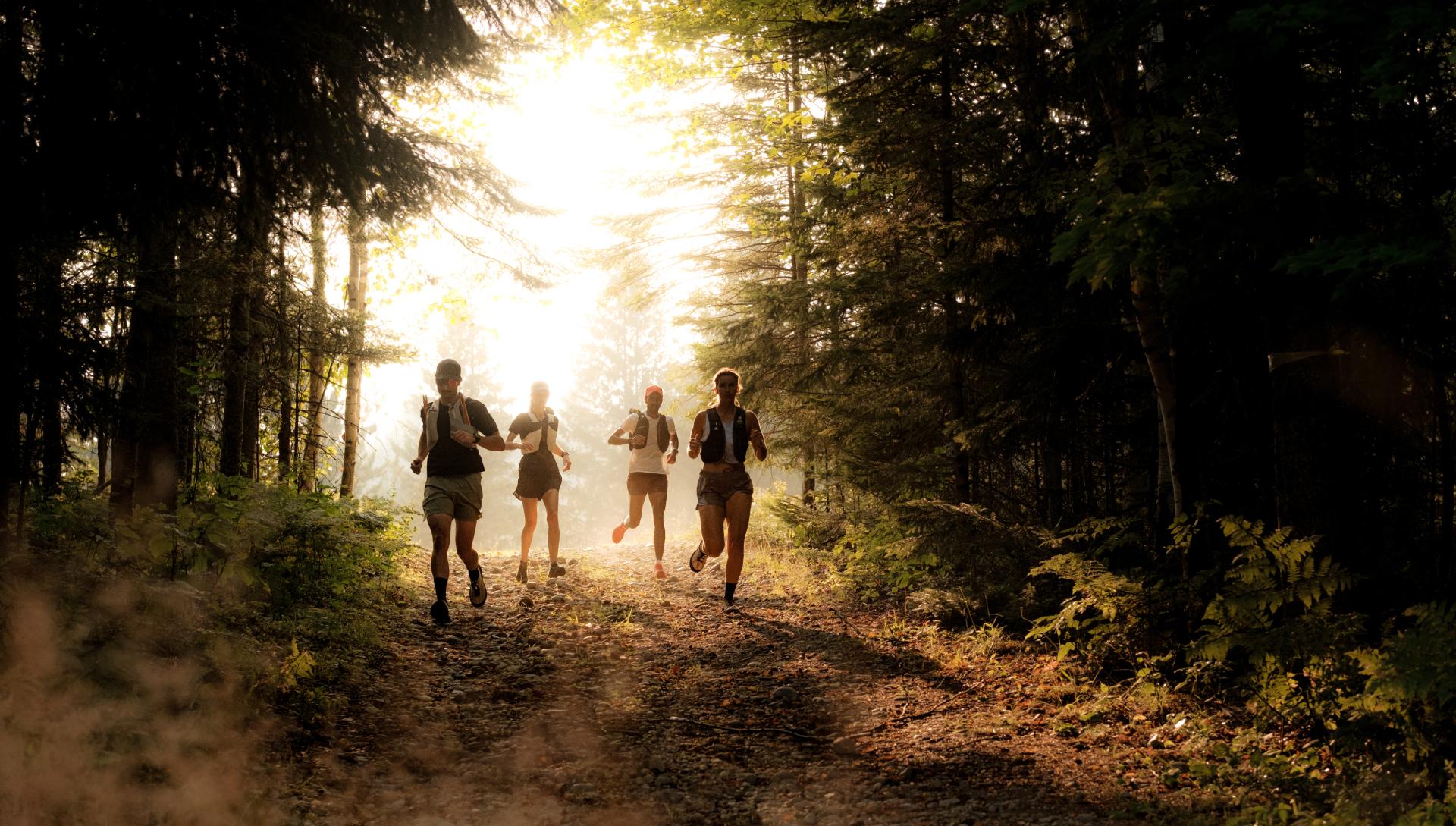
Several easy, paved trails run along the lake. They’re perfect for families with young kids and anyone who just wants to get out and stretch their legs without lacing up their hiking boots. For those looking for a challenge, Lac Kénogami Regional Park (just south of Saguenay) boasts a 40-km hiking trail with rustic campgrounds and refuges along the way, and a self-propelled gondola to help you cross the Pikauba River. The region is incredibly family-friendly and active, with lots to do from January to December.
Near L’Anse-Saint-Jean, in the Fjord-du-Saguenay National Park, you’ll find the intermediate-level Sentier des Chutes that can be prolonged if you want to attempt the additional trek to La Montagne Blanche. This difficult trail is 13.8 km long and takes about 6-7 hours to complete. Atop the mountain, a 360-degree view of the surrounding area awaits. The trail is open for most of the year with occasional closures lasting a few weeks during hunting season (September-October).
The best thing to do when planning your trip is to figure out what kind of hiking you want to do. If you just want a bit of fresh air, then choose an easy trail with very little elevation. For those wanting to go on longer treks, be sure to pack accordingly and map out where the refuges are along the way. A reliable weather app is your best friend when it comes to figuring out what to wear. And the most important thing: do a bit of research on the terrain beforehand to ensure the right choice of footwear.
Where To Go? When To Stay?
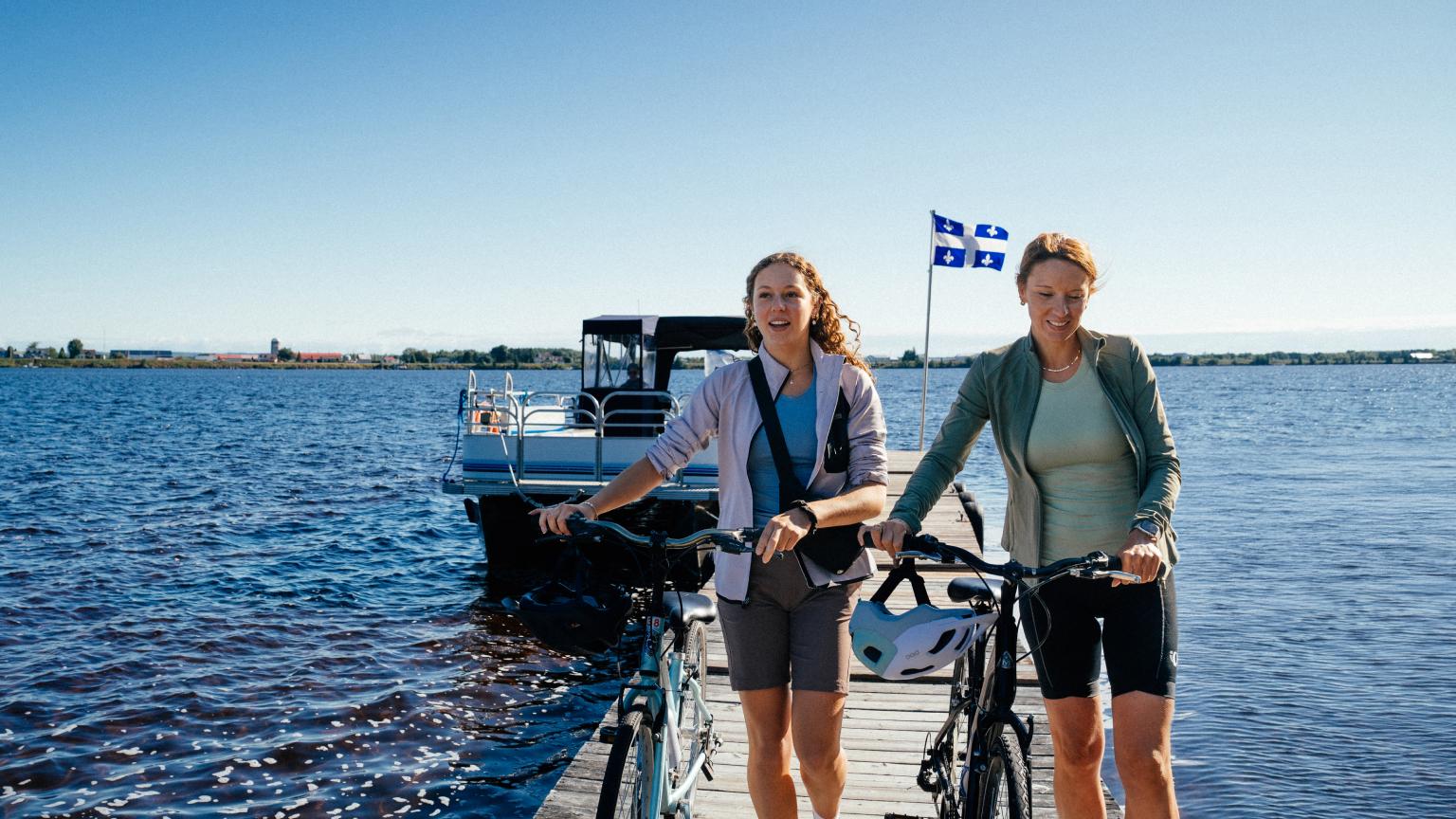
Summer on Lac-Saint-Jean is perfect for the beach and enjoying the lake views. If you’re looking for culinary experiences you won’t find anywhere else, the region is well known for its agrotourism and wild blueberries, ripe for picking in the summer months. It’s the best time for water sports because the water is not too cold and the sun is out. You can also pack light and rent all the equipment you need for your biking and canoeing trips on-site.
Winter offers a different experience. The lake and upper fjord freeze over for most of the season, offering ideal terrain for cross-country skiing, snowshoeing, and, up in the mountains, resort and backcountry skiing. Ice fishing is popular in winter, and there are several spots in the region where you can rent a cabin, drill into the ice, drop your line, and fish for close to sixty varieties. Be sure to book with a certified company to not only have the best experience, but a safe one as well.
If you’re looking for a place to stay, there is no shortage of accommodations throughout the region. Comfortable hotels, quaint bed and breakfasts, cozy cottages, and lively campsites can provide the perfect respite. But if you want to make it truly memorable, the region also offers a number of unique stays. Sleep under the stars in a dome, or wake up on the water in one of their floating cabins.
Saguenay-Lac-Saint-Jean is a year-round destination. Whether you prefer adventures by sea or land, you'll find everything to do here in one of the province's most unique natural environments.

Recent Articles