Italian Ride through the Dolomites
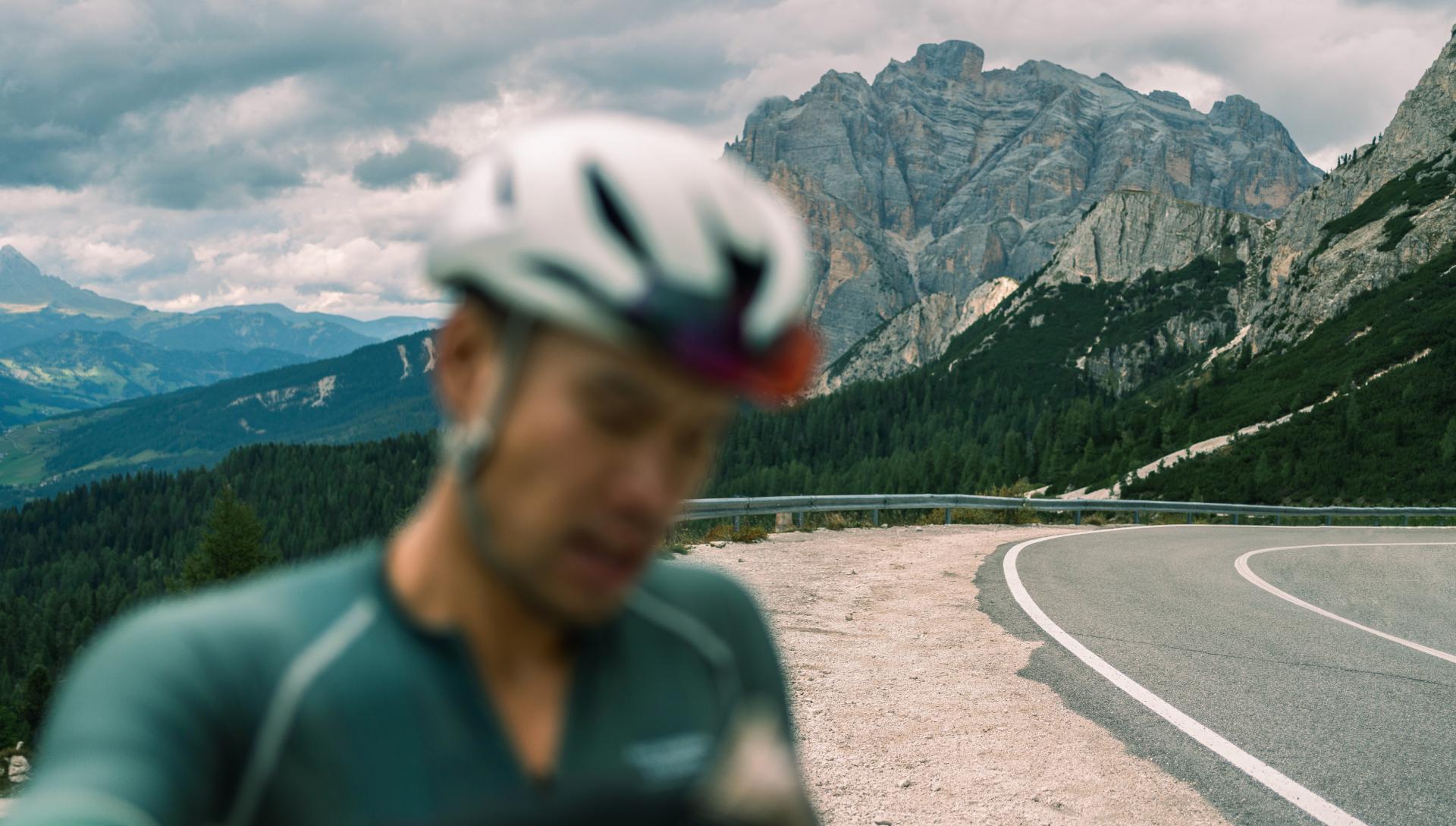
Our collaborator Khanh Ngoc Nguyen spent about a week cycling the Italian Dolomites. Below, you’ll find the itinerary, the essentials worth packing and the budget to plan your own trip.
Our Budget
Airfare: $1,200
Bike rental: $100 per day
Food: $350
Accommodation: $150 per night
Phone plan: $25
Car rental: $60 per day
International driver’s license: $40
Gas and tolls: $130
Our itinerary
Day 1: Arrival in Venice
We rent a car to leave Venice—three hours driving along the winding roads of the Dolomites, heading toward Corvara in northern Italy. We pick up our bikes, and it’s time to get ready for the first day in the saddle tomorrow.
Day 2: Passes of Campolongo, Giau, and Falzarego (83 km, 2,362 m of elevation gain)
At our hotel, breakfast is a buffet, and we discover that Italians eat incredibly well in the morning—really, like they do the rest of the day too!
Our first day on the bike includes three passes, including the famous Passo Giau: 10 kilometres at an average gradient of just over 9%, for a climb of 922 metres. No need to wait until the summit to be rewarded—the views are stunning both on the climbs and the descents. The only downside: it’s a bit chilly on the way down. A small coffee at the top helps us warm up.
Day 3: The Sellaronda (61 km, 1,779 m of elevation gain)
Luck is on our side: without planning it, we ride the Sellaronda while it’s closed to car traffic—an event that only happens twice a year. Local restaurants and bike shops set up along the loop, offering food and repair services for cyclists. In some sections, there are as many older riders as there are children. And e-bikes…
To cap off this magical day, we take advantage of the Dolomites’ culinary reputation by booking a table at a restaurant recommended by the Michelin Guide.
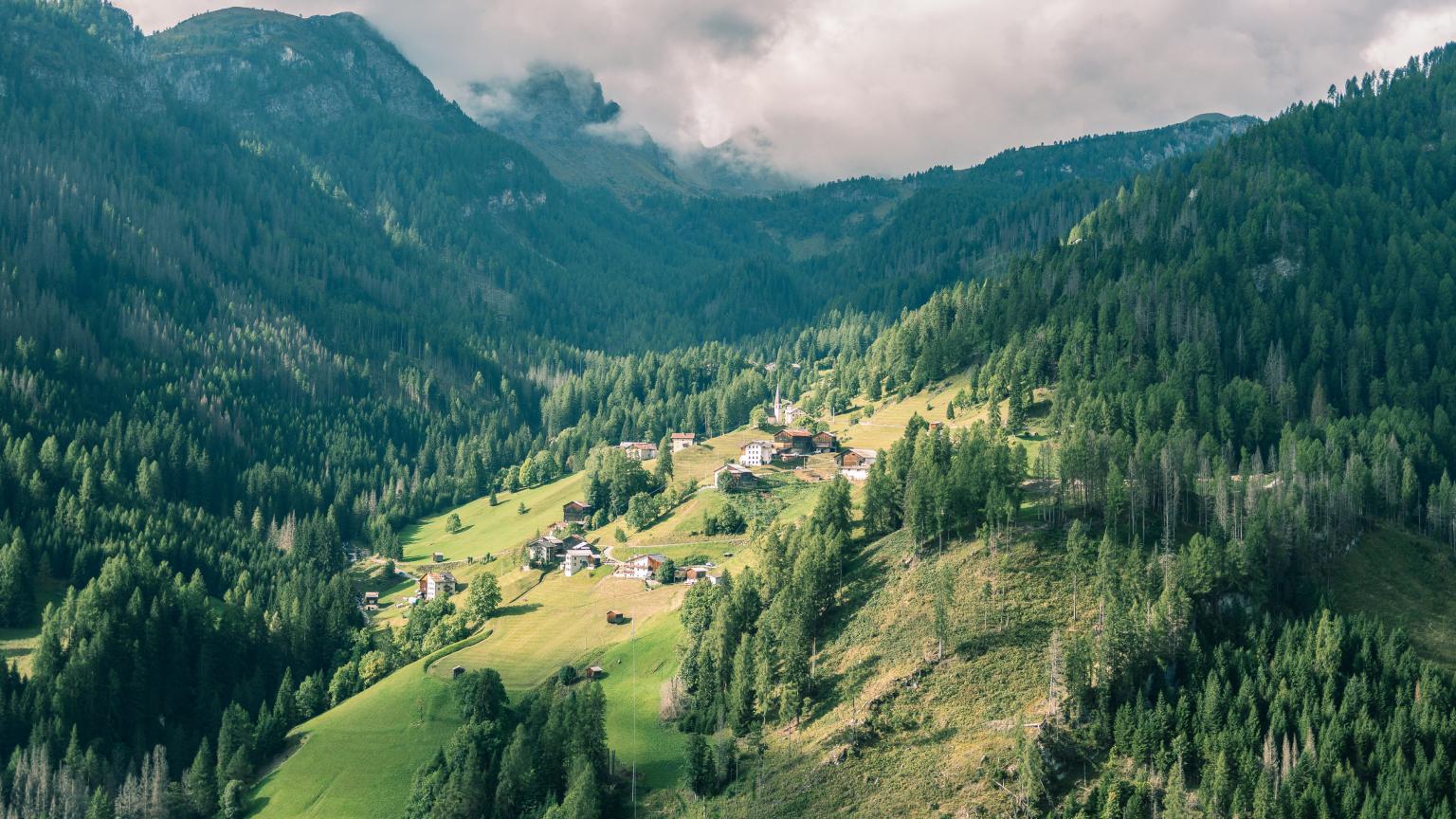
Day 4: Hike to Seceda
On the way to Bormio, we stop for a hike to Seceda—taken in “recovery” mode—before tackling the Stelvio Pass the next day.
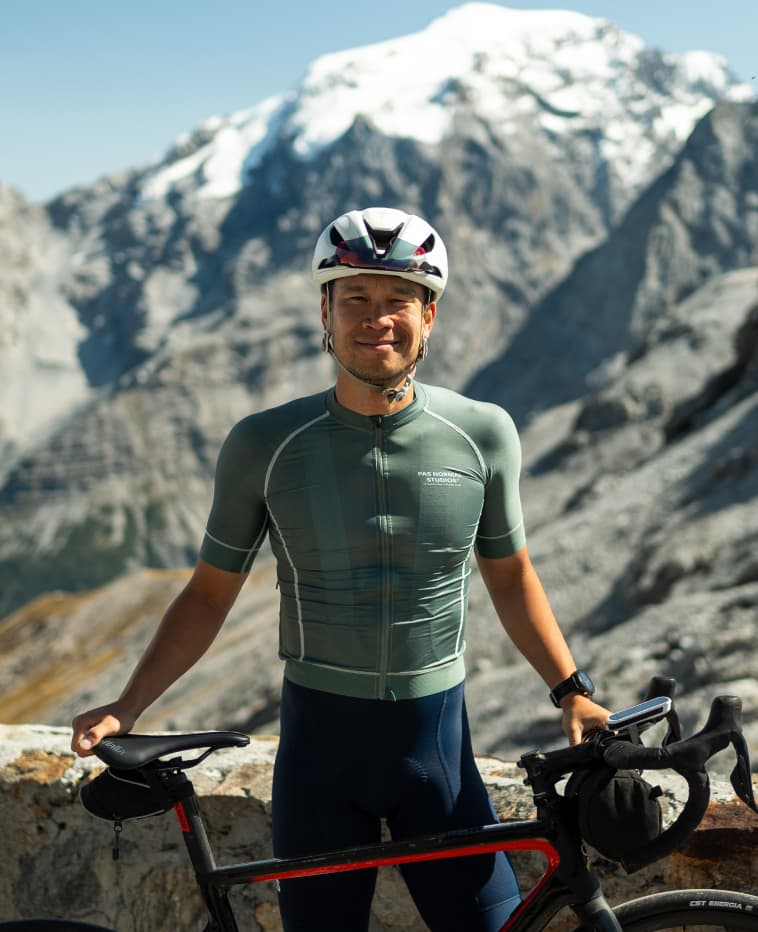
Day 5: Passo Stelvio (44 km, 1,559 m of elevation gain)
The legendary Passo dello Stelvio. We’re talking about a climb of 1,500 metres on one side, and 1,800 metres on the other. Each hairpin turn is numbered, which gives a nice morale boost as the numbers drop into single digits. At the summit, a modest tourist stop welcomes cyclists from all over the world. People pause, congratulate each other, and grab a bite to eat. You can enjoy a snack while taking in the towering peaks around you.
Back in the town of Bormio, we see posters announcing the upcoming Winter Olympics.
Day 6: Return to Venice
We really wish we could have spent more time in the region to do even more cycling (and hiking…). We also dream of coming back in winter for skiing! It’s on the bucket list.
Ten Essentials for Your Preparations
Helmet: You’re so much more comfortable with your own helmet—it’s definitely worth it.
Sunglasses with photochromic lenses: The weather was pretty grey. Rain was forecast for the week, but the only drops that fell on the road were my own sweat on the climbs…
Lights: We’re glad to have them when the days stretch long. You need to be visible. Cars and motorcycles move pretty fast, the shoulder is narrow, and the roads are winding.
Jerseys, bibs, jackets, and more: Bring several! It’s hot on the climbs, but when you reach the top, sweaty, it’s cool, and you need layers for the descent. From Corvara, you climb up to 2,200 metres above sea level. Gloves, arm warmers, leg warmers, a jacket, and even a neck warmer are essential.
GPS: Plan your routes ahead of time to avoid adding an extra pass by missing a turn! It’s good to know where you’re going at all times, because there’s no easy Plan B once you’re in the mountains. Bring a variety of handlebar mounts just in case.
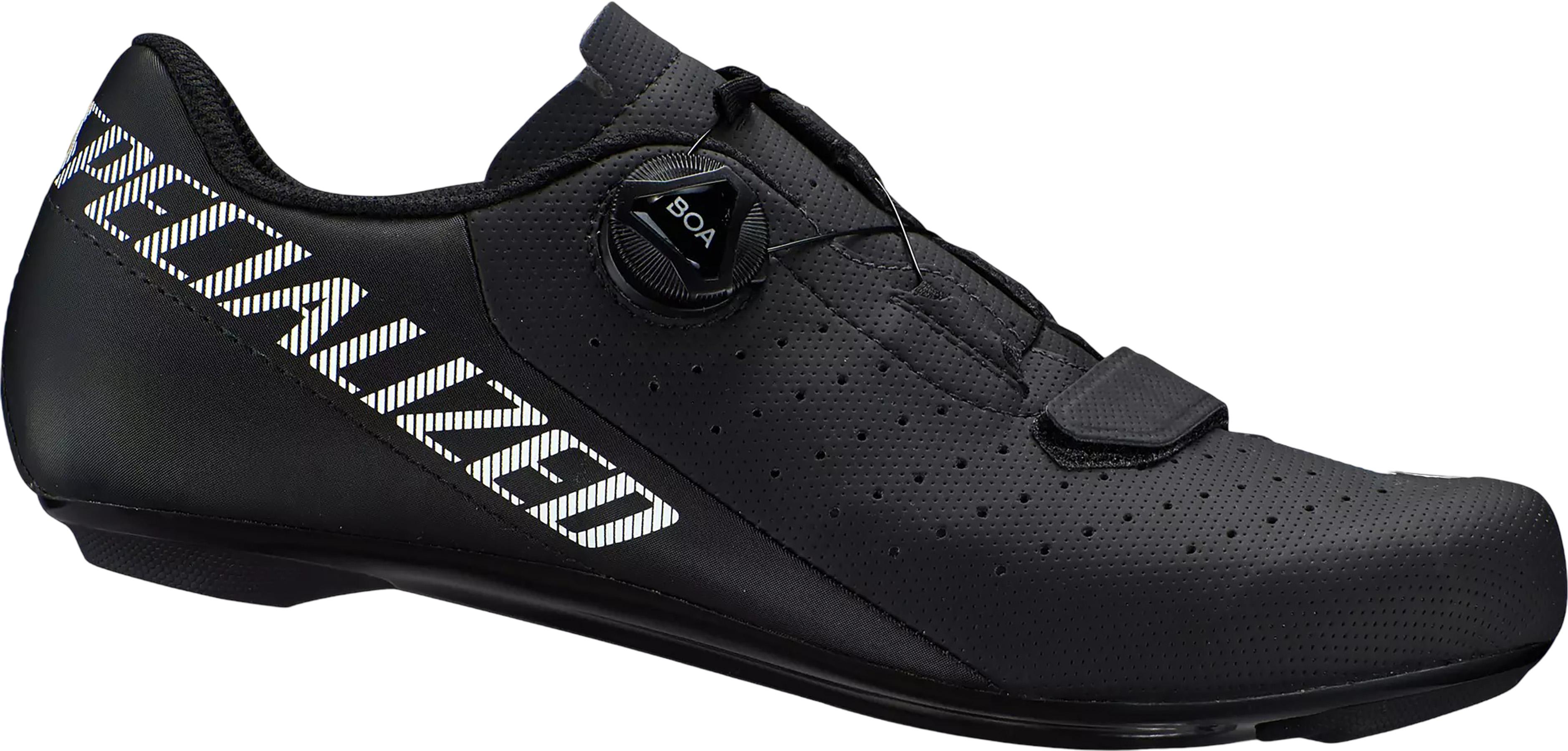
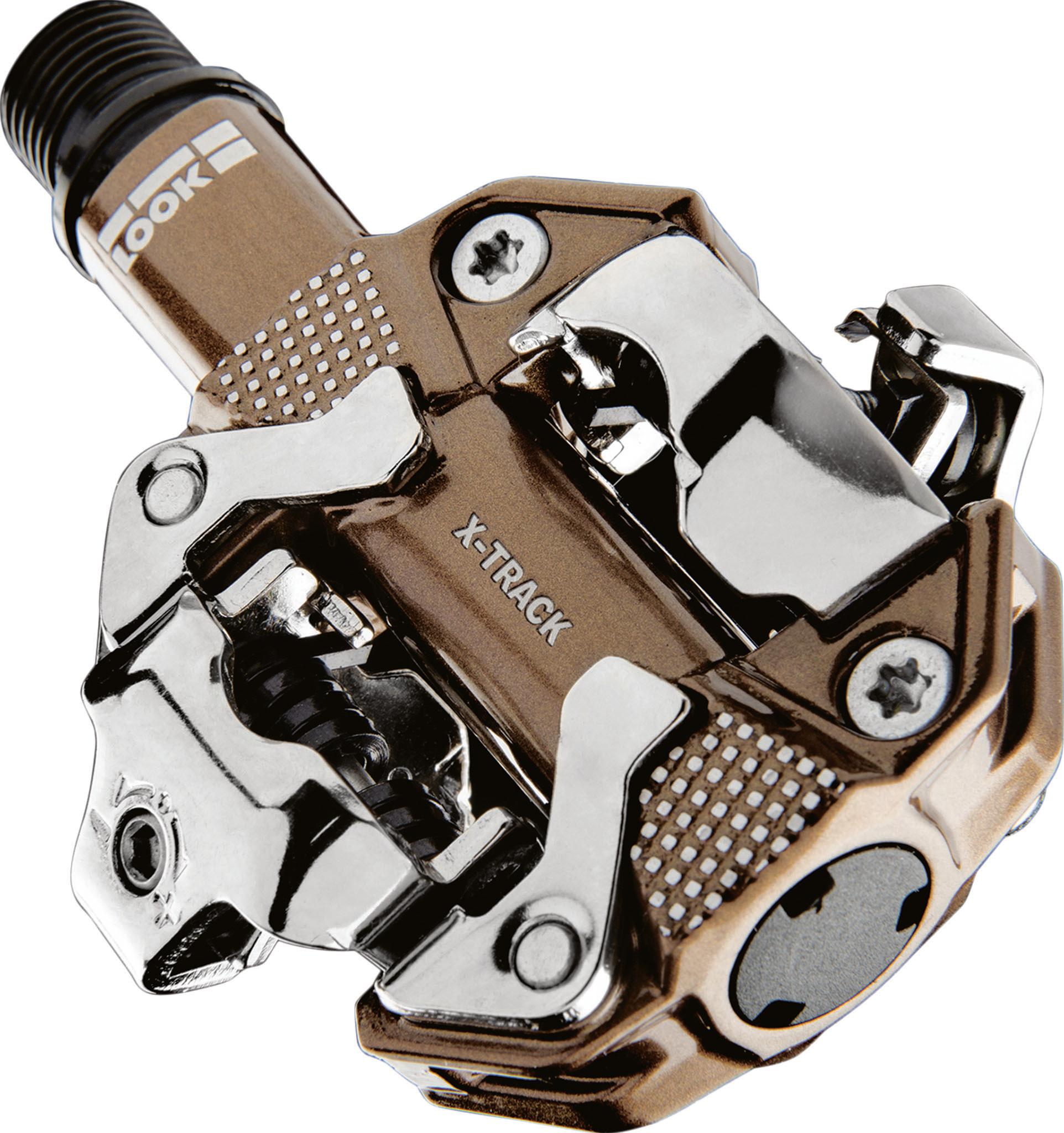
Cycling shoes and pedals: You’re better off in your own shoes, but rental shops provide pedals if needed.
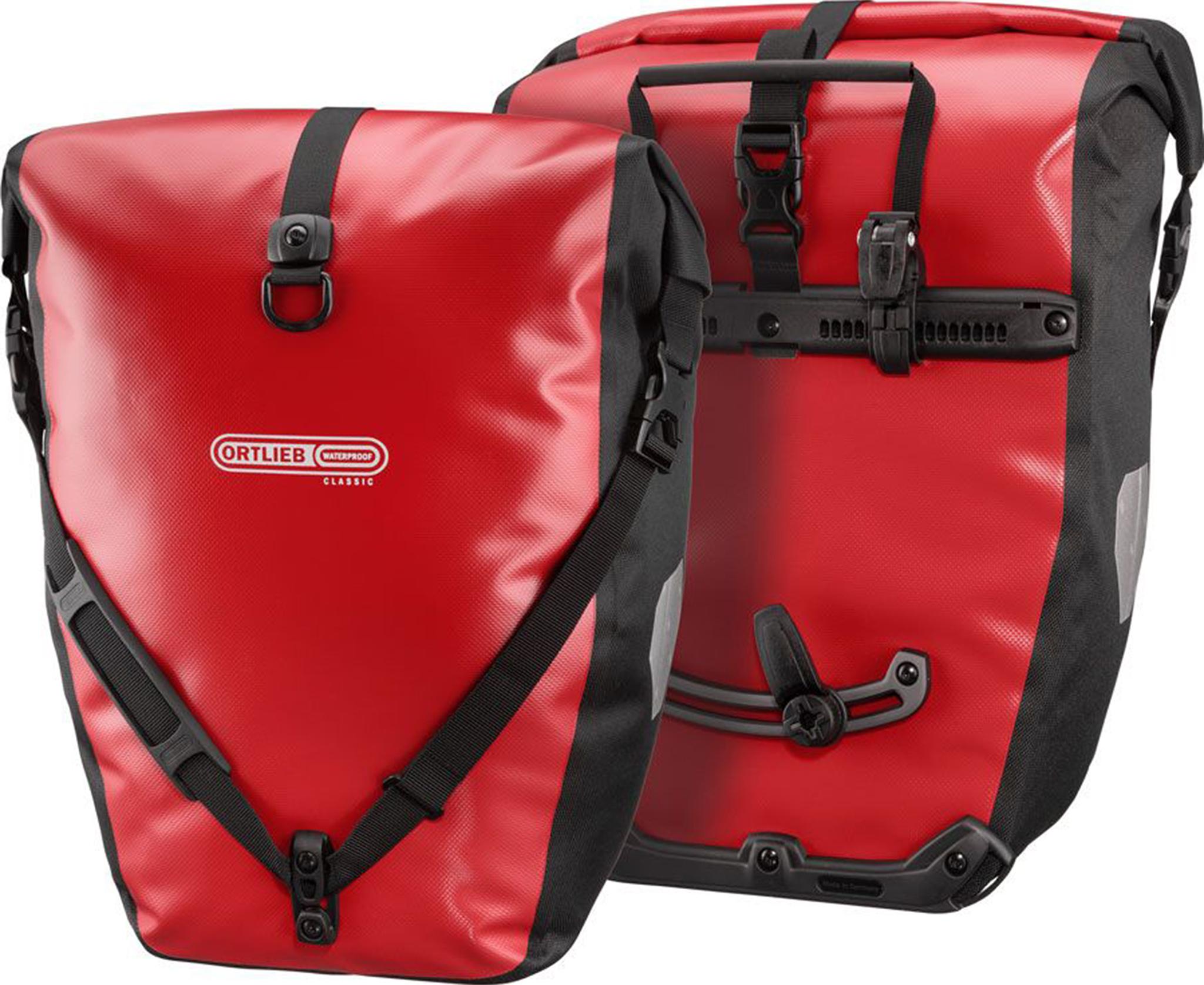
Handlebar bag: For all the clothing mentioned above and for snacks.
Repair kit: Bringing spare tubes is a good idea because bike shops can be far apart. That said, rental bikes usually come with some tools.
Fuelling: We brought bars, gels, and electrolyte powder to save money and because we weren’t sure what we’d find on the road. Recommendation: Stop often for a small pastry and coffee to warm up. Take your time—it’s also how you get to enjoy the Italian cycling culture.
Recovery: Even though the wine is delicious in Italy, you shouldn’t overindulge, given the long days of cycling. The saunas in the hotels, on the other hand, are fantastic!

Recent Articles